REVIEW · HANOI
8-Days Hanoi, Sapa Trekking And Halong Bay Cruise
Book on Viator →Operated by Realistic Asia · Bookable on Viator
Northern Vietnam can feel like three trips in one. This Hanoi–Halong Bay–Sapa route stitches big sights together with real travel rhythm and time to breathe. You get old-city culture up front, a true UNESCO wonder in the middle, and mountain village life at the end.
I especially like the way this tour balances guided highlights (with museum and historic stops) plus real free time in Hanoi and Sapa. I also love that Sapa trekking isn’t just a scenic drive—there are village visits (Y Linh Ho, Lao Chai, Ta Van, Giang Ta Chai) and even an overnight with a local family.
The main thing to watch is the packed pacing: you’ll be on the move from Hanoi to Halong, then to Sapa, then back to Hanoi. Also, Halong and the mountains depend on weather—so expect that nature, not a perfect timetable, calls some shots.
In This Review
- Key highlights at a glance
- Entering Hanoi’s Old Quarter With a Real-World Welcome
- Hanoi Day With Museums, Mausoleum Rules, and the Stuff That Actually Matters
- The Value of a Halong Bay Cruise: UNESCO Views Plus On-Water Time
- Halong Bay Morning: Sunrise Cruising and a Clean Return to Hanoi
- The Sapa Shift: From City Sights to Mountain Time
- Sapa Trek Day 1: Y Linh Ho and Lao Chai With a Real Meal Stop
- Sapa Trek Day 2: Ta Van Overnight for Daily-Life Context
- Sapa Trek Day 3: Giang Ta Chai, Waterfall Stops, and Getting Back by Jeep
- Day 8 Back in Hanoi: Souvenirs, Markets, and Airport Transfer
- Price and Value: Why $854 Can Make Sense (If You Want This Mix)
- Guides, Communication, and What Small-Group Logistics Feel Like
- Who This Tour Fits Best (And Who Might Want Another Style)
- Should You Book This 8-Day Hanoi, Sapa, and Halong Bay Combo?
- FAQ
- What places are included in this 8-day tour?
- How long is the tour and what is the price?
- What transport do you use between Hanoi and Sapa and between Hanoi and Halong Bay?
- Are sightseeing tickets included?
- What should I wear or bring for the trip?
- When is the meeting point and start time?
Key highlights at a glance
- Small group size (max 15) so guides and logistics feel manageable
- Door-to-door transfers in Hanoi, plus a private driver at arrival and departure
- Halong Bay time that includes kayaking/swimming/caves depending on the boat itinerary
- Sapa trekking with real villages like Lao Chai, Ta Van, and Giang Ta Chai
- Local-family overnight in Ta Van for daily-life context
- Cultural stops with practical notes, like modest dress for the Ho Chi Minh complex
Entering Hanoi’s Old Quarter With a Real-World Welcome
Your trip starts the way good Vietnam trips should: you land, you’re met, and you’re moved without hassle. A private driver meets you at Noi Bai International Airport, holding a sign with your name, then brings you to a hotel right in the city center near the Old Quarter. That matters because Hanoi is easiest when you can walk out the door and adapt to your mood—street coffee, lake walks, or just an early night after a flight.
Hanoi on this route feels like a mix of eras. You’ll see the tree-lined boulevards, French colonial-style architecture, and the calm of lakes and pagodas. Even if you’ve seen photos, it’s the day-to-day vibe that wins: scooters threading through lanes, old storefronts doing their thing, and people treating the morning as a ritual, not a rush.
Hanoi Day With Museums, Mausoleum Rules, and the Stuff That Actually Matters
The Hanoi day is built around classic landmarks, but the value is in how they connect them. Your guide picks you up between 8:00 and 8:30, and you move in a logical flow across religion, learning, and political history—then wrap up around mid-afternoon.
Tran Quoc Pagoda on Golden Fish Island is a great place to start. Built in the 6th century, it’s the oldest pagoda in Hanoi, and it sits on West Lake like it’s been waiting for your morning pace. The setting is calm, which helps you shift into “travel mode” quickly.
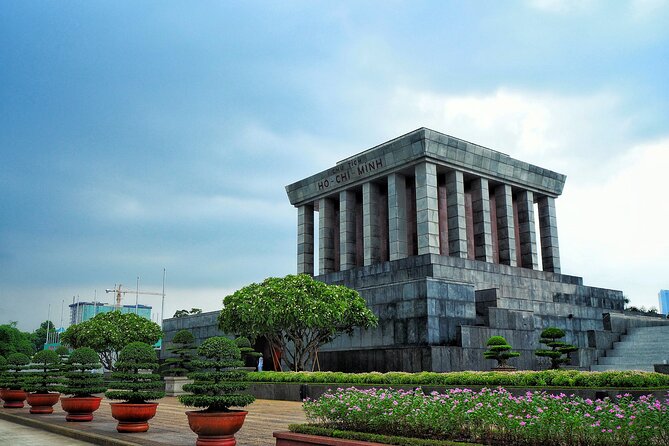
Next is the Ho Chi Minh complex, including the chance to see the embalmed body of Ho Chi Minh and walk the garden toward houses and sites inside the complex. There’s a key practical detail: dress modestly and cover your shoulders and knees at temples and the mausoleum. Also, the mausoleum is closed Mondays and Fridays, and it shuts for annual maintenance from June 15 to August 15. Plan to be flexible if you arrive during one of those times.
Then you’ll head to the Vietnam Museum of Ethnology to understand the lives of Vietnam’s 54 ethnic groups. If the museum happens to be closed (it’s closed on Mondays), the tour replaces it with the Women’s Museum—a small change, but it keeps the day on track.
After lunch, you hit three more “make Hanoi make sense” stops:
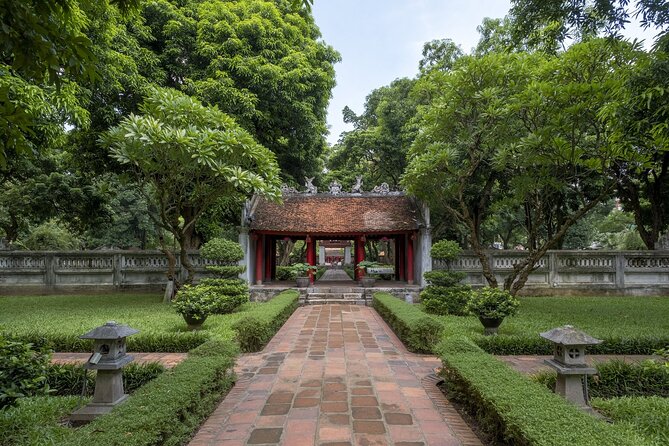
- The Temple of Literature & National University, tied to Vietnam’s earliest university tradition (11th century), which helps you understand the country’s long relationship with education and scholarship.
- Hoa Lo Prison, originally used by French colonists for political prisoners, and later known to American POWs during the Vietnam War as the Hanoi Hilton. It’s not comfortable history, but it’s part of the story of the city.
This is the kind of day that can feel heavy if you’re tired. But if you’re the sort of traveler who enjoys context—not just selfies—you’ll be grateful for the structure and ticket coverage.
The Value of a Halong Bay Cruise: UNESCO Views Plus On-Water Time
Leaving Hanoi for Halong Bay is a big shift. You check out in the morning and head to the port, with the cruise team meeting you at the hotel lobby. You’ll arrive at the jetty around noon, then take a boat to your cruise ship. There’s a classic sequence here: welcome onboard, check-in, and lunch while sailing through hundreds of limestone islets.
What you’re really paying for on Halong Bay is not one photo moment—it’s the slow movement. Even if you’ve seen the bay from land, the cruise perspective changes everything. You’re closer to the rock shapes, and the scale feels real.
In the afternoon, the cruise includes optional-style activities depending on the boat itinerary: swimming and kayaking or visiting caves, plus downtime to relax on deck. That flexibility is smart: it lets you choose what fits your energy level and sea conditions.
At night, the boat anchors for the evening in a beautiful area, and you’ll have the chance to catch sunset before dinner. This is also when you’ll appreciate that you’re not doing Halong as a rushed day trip. You’re getting a real overnight rhythm.
Halong Bay Morning: Sunrise Cruising and a Clean Return to Hanoi
Next morning starts early with sunrise. Breakfast is served while the vessel cruises slowly back toward port. This part tends to be calmer than the daytime boat traffic, and it’s a good time for photos without the harsh sun.
After an early lunch, you return to the port, disembark, and get transferred back to Hanoi. Then you get the rest of the day free to explore on your own and overnight again in the city. This free block is underrated. Hanoi can be a choose-your-own-adventure place—markets, street food, lakeside walks, and neighborhood wandering.
One more thing: Halong Bay is worth prioritizing, but it does require good weather. If weather conditions are rough, you might not get every activity the same way. The good news is that the cruise is still the core experience even when the schedule shifts.
The Sapa Shift: From City Sights to Mountain Time

Once you’ve done Halong, Sapa feels like stepping into another country. You leave Hanoi with an early start: breakfast, checkout, then a limousine bus about 6 hours to Sapa. That ride time matters because it sets expectations. You’re not just commuting—you’re traveling into cooler air, thick fog possibilities, and mountain roads where schedules can depend on conditions.
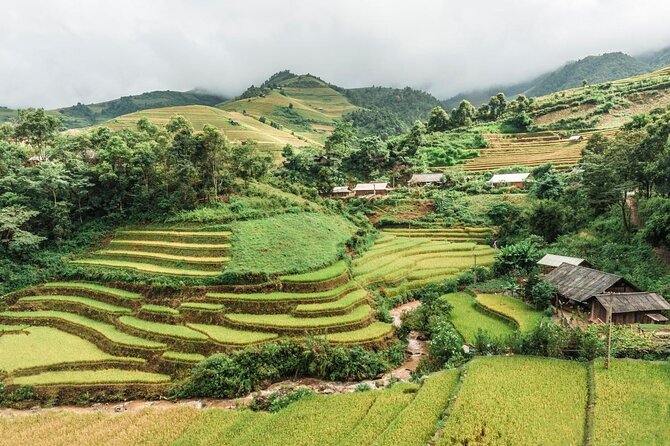
When you arrive, you’re transferred to your accommodation and the rest of the day is free. Use it for an easy first look at Sapa town, a market stroll, and getting your feet ready. This free afternoon is helpful because the trekking days are the heart of the experience.
Sapa Trek Day 1: Y Linh Ho and Lao Chai With a Real Meal Stop
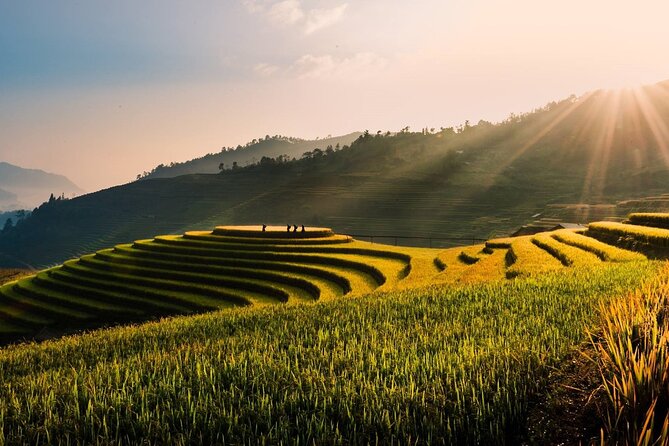
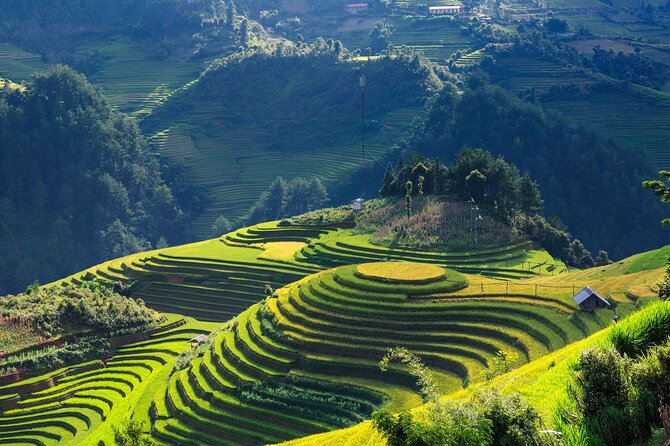
Sapa day is guided and active. You meet your guide around 9:30 am and set off on a 12 km trek visiting Y Linh Ho and Lao Chai, villages of the H’mong minority. The walking isn’t described as flat, so you’ll want sturdy shoes and a steady pace.
A key value here is the stop for lunch with local context. Lunch is at a local family in Lao Chai or at a drinking shop near the river bank. That’s where you get beyond scenery into daily-life rhythm—how people run a meal stop, how the community supports travelers, and what everyday hospitality looks like in this part of Vietnam.
In other words: it’s not just a hike. It’s a short, guided look into how villages function.
Sapa Trek Day 2: Ta Van Overnight for Daily-Life Context
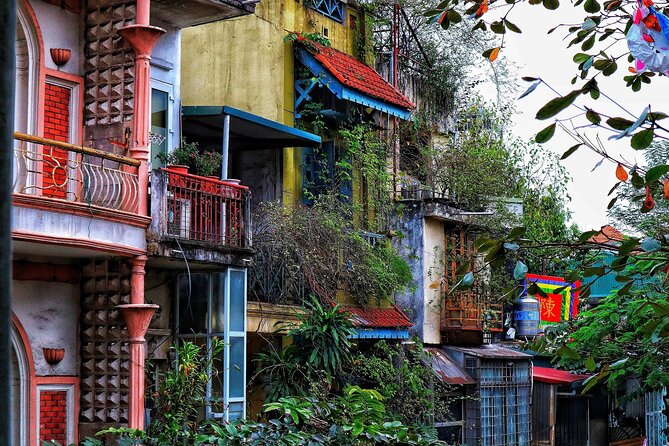
The second trekking day is where the tour becomes more personal. You continue to Ta Van village of the Dzay, and you stay overnight in a local family.
That kind of overnight isn’t for everyone—comfort expectations should be realistic—but it’s also the part that can turn a “sightseeing trip” into something you remember. You’ll have a chance to experience daily life, work, and customs from the inside, not just from a viewpoint.
If you like cultural exchange with humility, this is the highlight section. If you need hotel-style amenities at every stop, you may find it challenging. Either way, you’ll come away with a clearer understanding of how mountain communities live through the seasons.
Sapa Trek Day 3: Giang Ta Chai, Waterfall Stops, and Getting Back by Jeep
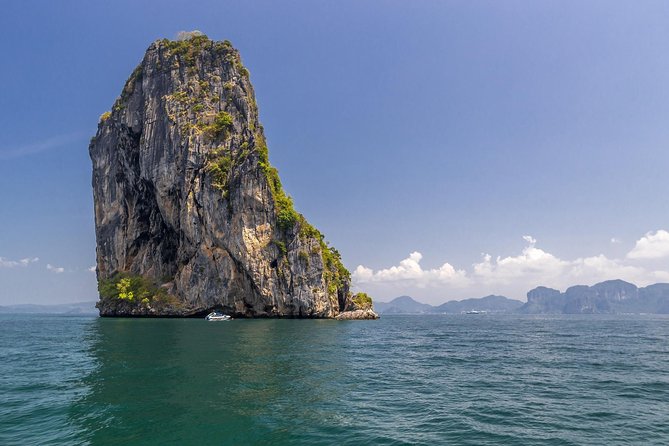
Your final trekking morning starts at 9:30 am with 8 km walking visiting two villages: Giang Ta Chai and Su Pan, home to the Red Dzao and H’mong communities. You’ll also visit a waterfall and cross a rattan bridge—two stops that are both scenic and part of how the route is shaped locally.
One detail I think is very practical: after reaching the main area, you take a jeep back to Sapa. That gives you time to enjoy the villages without ending in exhaustion, and it gets you back for an earlier finish (around 3:00 pm).
Then comes the return leg: you go back to Hanoi by car/limousine bus and overnight in the city. After three trekking days’ worth of footwork and altitude air, this transfer is your decompression time.
Day 8 Back in Hanoi: Souvenirs, Markets, and Airport Transfer
On the last day, you’ll have a healthy breakfast, check out, and then have time for local markets to buy souvenirs. This is a good moment to pick up simple gifts—things you can carry without stress.
After that, your private driver transfers you to the airport for your flight home. The tone here is calm. It feels like closing the loop: you started with easy access to the Old Quarter, and you end with something practical and straightforward.
Price and Value: Why $854 Can Make Sense (If You Want This Mix)
At $854 per person for an 8-day package, the price can feel like a lot—until you look at what’s included.
You’re getting:
- Major sightseeing tickets covered across Hanoi and Halong-related stops
- Breakfasts, lunches, and dinners listed for the trip (7 breakfasts, 5 lunches, 2 dinners)
- Door-to-door pick-up and drop-off by private car
- Air-conditioned transport between Hanoi and Halong Bay (two-way)
- Limousine bus Hanoi ↔ Sapa
- Private vehicle or air-conditioned coach for excursions
- 24/7 hotline support and the reassurance of mobile tickets
What you’re not paying extra for (based on the provided info): international flights, travel insurance, tips/gratuities, beverages, and things like the e-visa fee.
So the value is strongest if:
- You want a guided structure without coordinating trains, private cars, and bookings on your own
- You care about both the big sights and the “in between” (museums, villages, and meals)
- You’re okay with a group of up to 15 travelers and fixed timing for key pickups
If you prefer total freedom with zero structure, you might find parts of the schedule limiting. But for most people, the mix of guided time plus free time is the sweet spot.
Also, keep in mind a couple timing rules: Ho Chi Minh Mausoleum closures and the ethnology museum replacement on Mondays. Those don’t kill the trip, but they can change what you see on a particular day.
Guides, Communication, and What Small-Group Logistics Feel Like
One thing I love about this style of tour is that it’s built for coordination: tissues and water are provided on the coach, and there’s a 24/7 hotline. In real travel terms, that means fewer moments where you’re stuck asking where you’re supposed to go next.
From past experiences shared with the provider, support roles and guides have names that show up repeatedly—Edna, Evelyn, and Rosie are mentioned as helpful points of contact. In Sapa specifically, guides such as May and Mr. Shadow Tran have been credited with making the mountain days smoother and more enjoyable. And coordinators like Dylan and Henry have also been singled out for planning that worked well for different group needs.
I’m not promising you’ll get the exact same people, of course. But it does suggest the company invests in real communication, not just putting a driver on the road and hoping.
Who This Tour Fits Best (And Who Might Want Another Style)
This is a strong match for you if you want:
- A classic Northern Vietnam arc: Hanoi + Halong Bay + Sapa
- Guided culture in Hanoi plus active trekking in Sapa
- Included meals and transport so you spend time on the places, not on logistics
- A small group pace that still keeps things social
It may feel less ideal if:
- You want a slow, fully independent vacation with no group timing
- You’re sensitive to discomfort or basic conditions during a local-family overnight
- You hate early starts or packed days (Halong transitions and trekking days add up)
Should You Book This 8-Day Hanoi, Sapa, and Halong Bay Combo?
I’d book this if your priority is a well-connected Northern Vietnam experience with guided highlights, genuine mountain interaction, and a Halong Bay cruise that’s more than a quick stop. The price can be fair for what’s covered, especially since you’re not only paying for hotel nights—you’re also paying for tickets, meals, and multiple transport legs that are usually the hardest part to organize yourself.
If you’re comfortable with moderate trekking and you don’t need high-end comfort during the local-family stay, this trip has the right ingredients. And if you like having a plan but still getting free time in Hanoi and Sapa, you’ll likely enjoy the balance.
FAQ
What places are included in this 8-day tour?
You’ll visit Hanoi highlights (including Tran Quoc Pagoda, Ho Chi Minh complex, Vietnam Ethnology Museum or a replacement on Mondays, Temple of Literature, and Hoa Lo Prison), cruise Halong Bay, and go trekking in Sapa with village visits and a local-family overnight in Ta Van.
How long is the tour and what is the price?
The tour is 8 days and costs $854.00 per person.
What transport do you use between Hanoi and Sapa and between Hanoi and Halong Bay?
You use an air-conditioned bus between Hanoi and Halong Bay (round trip) and a limousine bus between Hanoi and Sapa (about 6 hours each way).
Are sightseeing tickets included?
Yes. The tour includes all sightseeing tickets according to the itinerary.
What should I wear or bring for the trip?
Wear comfortable shoes and bring a hat and sunblock cream. Modest dress is required for visiting the Ho Chi Minh complex, temples, and pagodas (shoulders and knees covered).
When is the meeting point and start time?
The tour meeting point is Noi Bai International Airport (Phú Minh, Soc Sơn, Hanoi) and the start time is 8:00 am.