REVIEW · SENGLEA
From Sliema: Traditional Harbour Cruise (CMO)
Book on GetYourGuide →Operated by iSeeMalta · Bookable on GetYourGuide
There’s nothing like seeing Valletta from the water. This traditional harbour cruise threads together two of Malta’s biggest natural harbours—Marsamxett and the Grand—so you get forts, battlements, and creeks in one smooth ride with live English and German commentary.
I especially like the way the route keeps moving while still feeling relaxed. In about 90 minutes, you pass key shoreline spots—Senglea, Cospicua, and Kalkara—then circle back, which makes it a smart pick for first-timers or anyone who wants history without museum fatigue.
One thing to plan around: the cruise is scheduled for 1.5 hours, and a few bookings have reported they were back sooner than some expectations. If you’re the type who likes a very long sit-down activity, go in with the mindset that this one is quick, scenic, and focused.
In This Review
- Key points to know before you go
- Why a harbour cruise is one of the best ways to read Valletta
- Getting to MedAsia Fusion Lounge: the meeting point that matters
- Marsamxett Harbour: the start where the water feels close
- The Grand Harbour segment: where the forts and battlements come into focus
- Senglea, Cospicua, and Kalkara: pass-by stops that help you map Malta
- Live English and German commentary: what you’ll actually gain
- Price and value: is $24 for 1.5 hours worth it?
- Timing: choosing between 10:30, 12:30, and 14:45
- Comfort and common-sense rules: what to bring, what to skip
- Accessibility: who should feel comfortable on this cruise
- Who this Traditional Harbour Cruise is best for
- Should you book this harbour cruise from Sliema?
- FAQ
- How long is the Traditional Harbour Cruise?
- Where do I meet for the cruise?
- What harbours and areas does the cruise cover?
- Is there live commentary, and in what languages?
- What times does the cruise depart?
- Is the cruise wheelchair accessible?
Key points to know before you go
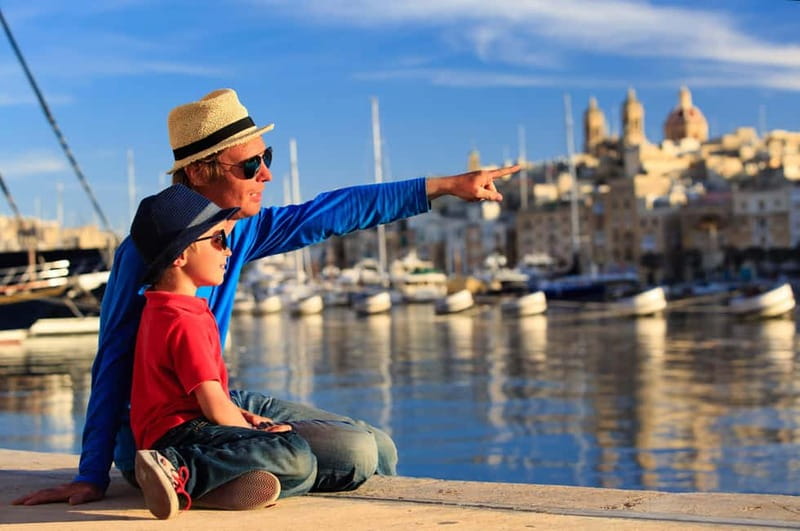
- Two harbours, one loop: Marsamxett Harbour plus the Grand Harbour, with big fort views.
- Live bilingual commentary: English and German, covering events like the Great Sieges.
- Pass-by stops: Senglea, Cospicua, and Kalkara help you connect the dots on shore.
- Short and efficient timing: around 1.5 hours, with multiple daily departures.
- Straightforward meeting point: opposite MED ASIA on the seaside.
- Boat rules are strict: no weapons/sharp objects and no alcohol or drugs.
Why a harbour cruise is one of the best ways to read Valletta
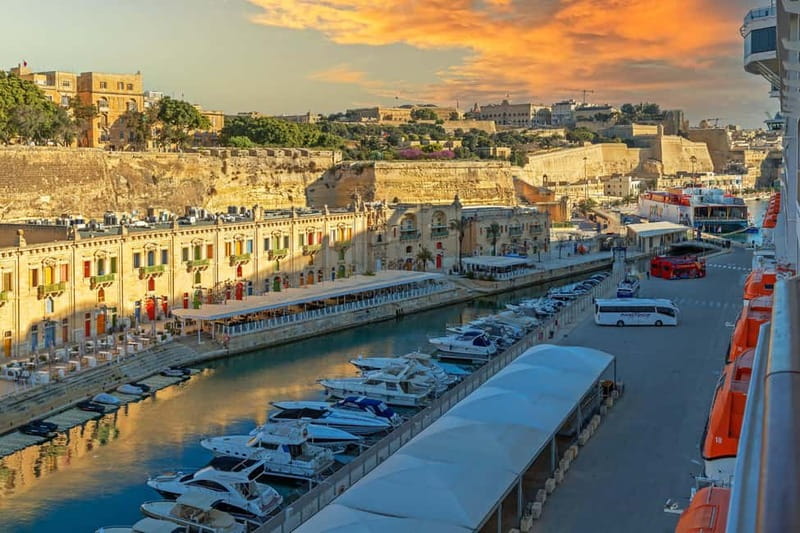
Valletta looks dramatic from the streets, but it’s even more understandable from the water. From the deck, you don’t just see buildings—you see why they were placed where they are. You can track the shape of the harbours, how the coastline bends, and where defensive walls and forts would matter most.
This cruise is built for that “aha” feeling. As you sail through Malta’s two natural harbours, the commentary ties the scenery to major moments in Malta’s past. The big names in the stories you’ll hear include the Great Sieges of 1565 and 1942, which gives the route more meaning than a simple sightseeing loop.
I also like that this is a traditional-style cruise. It keeps the tone casual and visual, not like a stiff lecture. You get moving views while someone explains what you’re looking at—an easy way to get oriented quickly.
Getting to MedAsia Fusion Lounge: the meeting point that matters
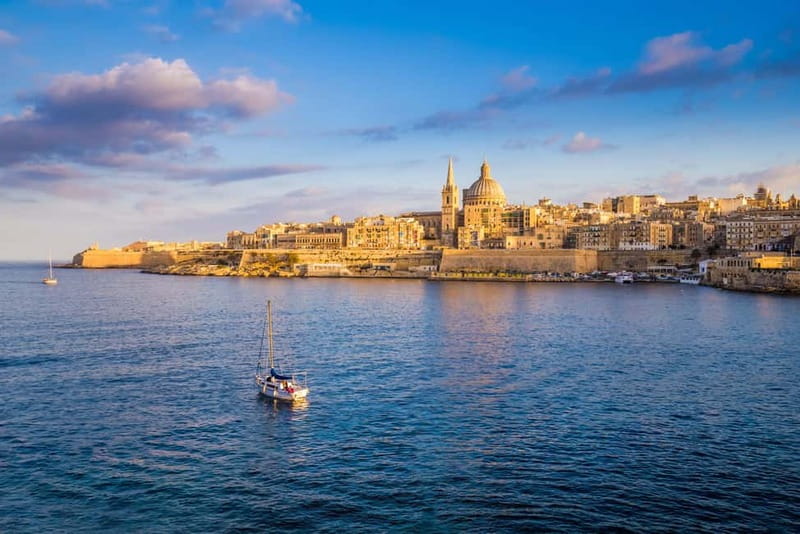
Your start point is MedAsia Fusion Lounge, and the practical instruction to use is this: meet opposite MED ASIA (sea side).
That matters because one common travel snag is not the boat—it’s the handoff. One booking noted that a different landmark reference was off, so don’t rely on memory or generic directions. I recommend you build your plan around MED ASIA specifically, not nearby chain-store signage.
Also, because departures happen multiple times per day, you’ll want to arrive early enough to feel calm. You don’t need a complicated plan—just give yourself a buffer so boarding doesn’t feel rushed.
Marsamxett Harbour: the start where the water feels close
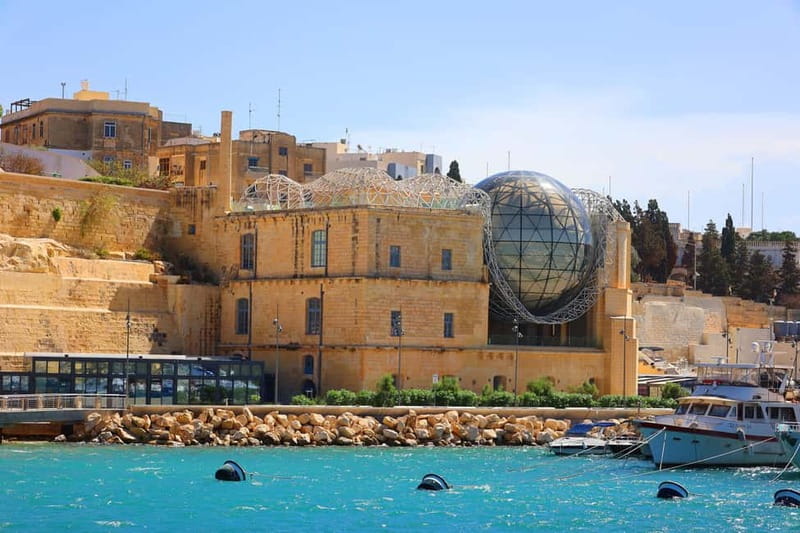
Most of the cruise begins with Marsamxett Harbour (Gżira), and this is a great way to launch your understanding of the coastline. You’re not only looking at fort silhouettes—you’re viewing the harbour’s shape and how the shoreline hugs it.
As the boat moves along, the views tend to feel more immediate. That’s useful if you’re trying to picture how ships would approach these areas and where defenders would watch. Even if you’re not a hardcore history person, the visual logic clicks fast from this angle.
A small caution: if you’re sensitive to wind, the open water part can feel cooler than you expect, especially on a breezy day. Bring a light layer even when the shore feels warm.
The Grand Harbour segment: where the forts and battlements come into focus
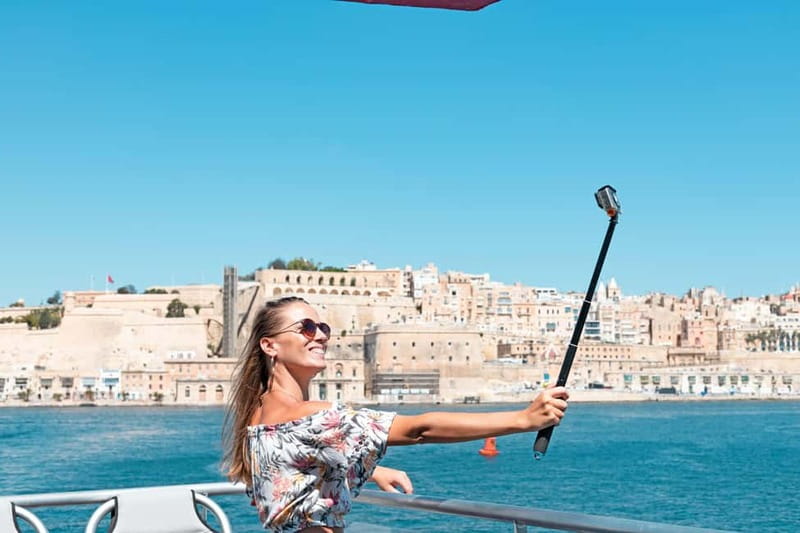
Next comes the Grand Harbour area, and this is the part many people will remember. This is where the scenery turns big—more defensive structure, more dramatic harbour views, and more of the “why this mattered” context.
The live commentary calls out key historical events, including the Great Sieges of 1565 and 1942. Hearing those references while you look at the harbour helps you connect the story to the geography. It’s one thing to read about sieges. It’s another to see the harbour the ships would have used and the fort positions they would have faced.
This is also where you’ll get the clearest sense of the harbour as a working corridor. The boat perspective makes it obvious that these were strategic waters, not just scenery.
Senglea, Cospicua, and Kalkara: pass-by stops that help you map Malta
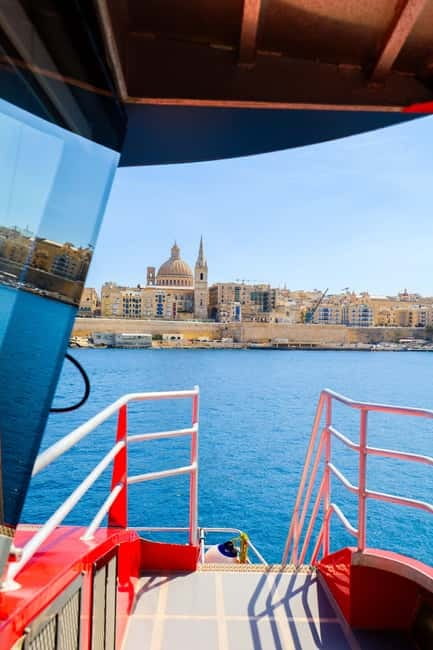
After the main harbour sights, the itinerary continues with stops along the shore: Senglea, then Cospicua, and Kalkara.
Even if you don’t get a long shore visit, these pass-by sections are still valuable. They turn the cruise from “pretty views” into “place recognition.” When you later walk in Valletta or nearby areas, you’ll have a stronger memory of how the coastline lines up.
Here’s what I’d watch for at these points:
- How the shoreline steps and curves as the harbours meet land
- Where the older defensive-looking structures sit relative to the water
- The overall layout—so you can later place Valletta in a larger maritime system
These stops are also a good reminder that Malta’s story isn’t trapped in one city. The cruise gently spreads the focus across multiple towns that share the same coastline logic.
Live English and German commentary: what you’ll actually gain
The cruise includes live commentary in English and German, which is a practical bonus in a mixed group. It’s not just background noise. It’s timed to what you’re seeing, and that’s the difference between a narration that helps and one that just fills silence.
The commentary highlights major events like the Great Sieges of 1565 and 1942, which gives your views historical weight. If you’ve been in Malta for only a short time, this is a strong way to get context before you start doing deeper walks or reading plaques.
One note from real-world experience: a booking reported that the English onboard was hard to understand. That can happen on boats when sound carries unevenly. The good news is that the tour offers English and German commentary, so if one language is tough to catch, you can still follow the other.
Price and value: is $24 for 1.5 hours worth it?
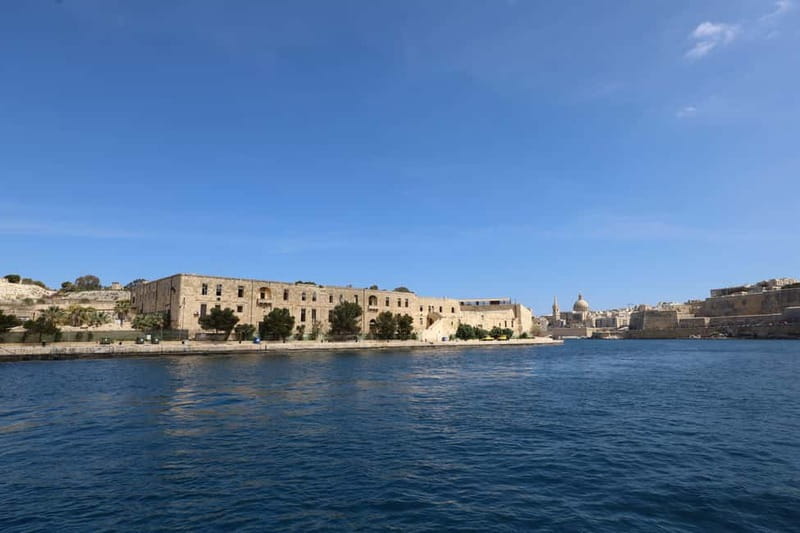
$24 per person for about 1.5 hours is not a bargain price, but it can be very good value depending on how you travel.
Here’s the value math that matters:
- You’re paying for water views that are hard to replicate from land quickly
- The cruise includes live bilingual historical commentary, not just a silent trip
- You cover multiple key areas—both harbours and several towns—without needing transport planning
If you’re short on time, this kind of cruise can be a smart use of one half-afternoon or one morning block. But if you’re the type who wants long stops, museum-style depth, or lots of walking, you may find it too short for the price.
Think of it as a scenic orientation tour. You’re buying a sharper mental map of Valletta’s maritime defenses and geography.
Timing: choosing between 10:30, 12:30, and 14:45
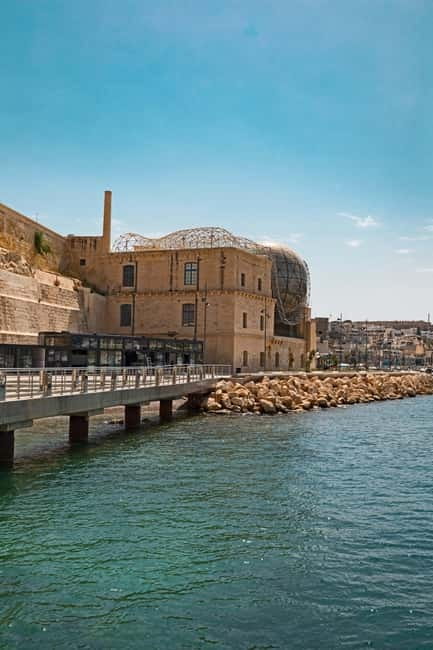
The cruise departs daily at 10:30am, 12:30pm, and 14:45pm. That scheduling is genuinely helpful because you can match it to your day.
If you’re doing daytime sightseeing, the earlier departure can be easier on your energy. Later cruises can be nice for a slower pace, but they also mean more time for crowds to build on land before you get your harbour views.
Also, since the cruise duration is listed as 1.5 hours, plan your next activity with a realistic buffer. A few people reported coming back sooner than expected, so don’t schedule something extremely tight right after.
Comfort and common-sense rules: what to bring, what to skip
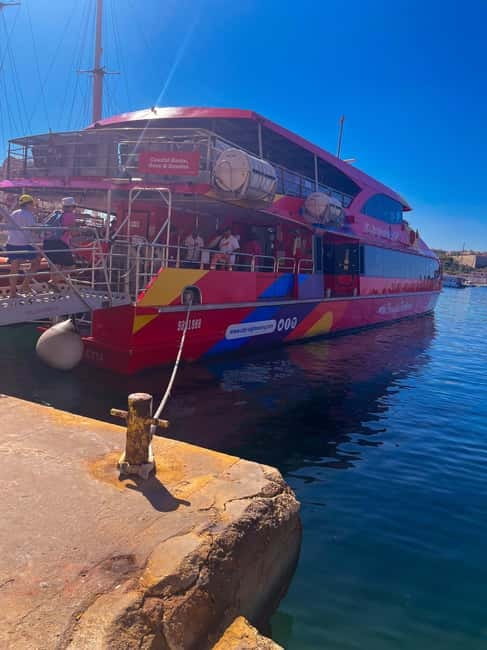
This one is simple to prepare for. The cruise does not allow:
- weapons or sharp objects
- alcohol and drugs
- explosive substances
You don’t need to pack much beyond basics. I’d bring:
- a light layer (harbour wind is real)
- sunglasses and sunscreen if the day is bright
- a phone with offline maps in case you want to navigate afterward
Because this is a traditional harbour cruise, you’ll be outside for at least part of the experience. Comfort is mostly about weather and where you stand or sit on deck.
One more practical thought: if staff at the meeting area are moving quickly or don’t seem chatty, keep it businesslike. Have your ticket ready and ask directly where the correct boat is at that departure time.
Accessibility: who should feel comfortable on this cruise
The activity is listed as wheelchair accessible, which is a real plus if you’re balancing walking with water-based sightseeing. If you rely on a wheelchair, still plan with care: boarding steps and deck layout can vary by vessel, even when a service is marked accessible.
If you have specific mobility needs, you’ll likely feel best arriving early and checking how boarding is handled before the cruise leaves.
Who this Traditional Harbour Cruise is best for
This cruise is especially a good fit if:
- you want a quick, scenic introduction to Valletta’s maritime side
- you like history but prefer it explained while you look at the relevant places
- you’re traveling with mixed interests (views for some, context for others)
- you don’t want the effort of arranging multiple transport legs around harbour areas
It’s less ideal if you’re looking for a long, detailed shore tour or you hate short time windows. At 1.5 hours, the pacing is clearly meant to be efficient, not leisurely.
Should you book this harbour cruise from Sliema?
Yes—if you want a practical way to understand Valletta and the surrounding towns from the water. For a set price, you get two harbours, pass-by views of Senglea, Cospicua, and Kalkara, and live bilingual commentary that references the Great Sieges of 1565 and 1942.
I’d book with a couple of expectations set:
- this is a short cruise, not an all-day excursion
- your experience depends a lot on meeting the boat on time and arriving with clarity at MED ASIA (sea side)
- sound quality can vary, so if you struggle with one language, focus on the other offered commentary
If that sounds like your kind of trip, you’ll likely enjoy how quickly the harbour scenery clicks into place.
FAQ
How long is the Traditional Harbour Cruise?
The cruise lasts about 1.5 hours.
Where do I meet for the cruise?
You meet at MedAsia Fusion Lounge, opposite MED ASIA on the seaside.
What harbours and areas does the cruise cover?
The route includes Marsamxett Harbour (Gżira) and the Grand Harbour (Valletta), with guided pass-by stops at Senglea, Cospicua, and Kalkara.
Is there live commentary, and in what languages?
Yes. The tour includes live commentary in English and German.
What times does the cruise depart?
It departs daily at 10:30am, 12:30pm, and 14:45pm.
Is the cruise wheelchair accessible?
Yes, the activity is listed as wheelchair accessible.