REVIEW · HAMBURG
Hamburg: Harbor Cruise
Book on GetYourGuide →Operated by Barkassenbetrieb Bülow GmbH · Bookable on GetYourGuide
Hamburg feels like a city with two faces, and this cruise shows the harbor side. You’ll glide past Speicherstadt warehouses, then swing into port territory where cranes, container terminals, and shipyards explain why Hamburg matters. It’s a simple 1-hour outing that makes the skyline make sense from the water.
What I like most is how much you cover for the price. For about $22 per person, you get views of the Elbe River, HafenCity, and the Elbphilharmonie, plus real explanations about how the harbor has grown over decades.
One thing to keep in mind: the boat ride is not suitable for wheelchair users, and in cold weather the windows can fog up, which can affect how sharp the views feel.
In This Review
- Key things you’ll notice on the water
- Where you meet: Kajen 1 and the Binnenhafen harbor edge
- The $22 value: a 1-hour cruise that teaches what the skyline hides
- Starting in Speicherstadt: the warehouses you’ll understand better later
- The Elbe river run: how to watch ships without feeling lost
- A small winter note about visibility
- HafenCity and the Elbphilharmonie: skyline views with meaning
- Port icons you’ll recognize: St. Pauli bridges, Blohm and Voss, and Tollerort
- Why these port sights matter
- Museum ships and harbor basins: the past and present share the same water
- Timing it right: how an hour can turn into more
- Who this cruise fits best (and who should skip it)
- Practical tips before you board
- Should you book Hamburg: Harbor Cruise?
- FAQ
- FAQ
- How long is the Hamburg harbor cruise?
- What’s included in the price?
- Where do I meet the boat?
- What’s the nearest metro station?
- Is the tour suitable for wheelchair users?
- Can I cancel or reserve without paying right away?
Key things you’ll notice on the water
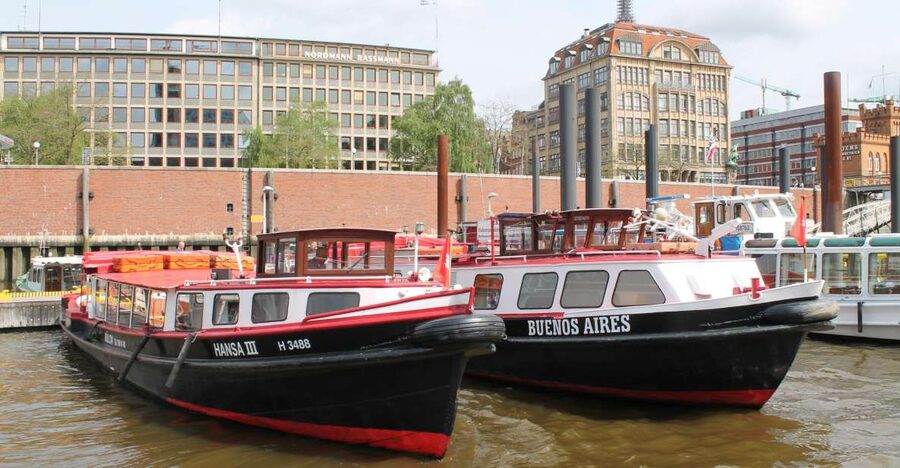
- Speicherstadt start (Kajen 1 / Pontonanlage): You begin right in the warehouse district near Miniatur Wunderland.
- HafenCity + Elbphilharmonie views: You’ll see Hamburg’s modern signature from the harbor instead of from a street viewpoint.
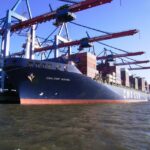
- Real port operations nearby: Ocean-going ships, quays, and working areas show shipping at full scale.
- Shipyard and container terminal scenes: St. Pauli landing bridges, Blohm and Voss, and Tollerort come into view during the route.
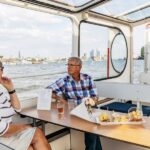
- Onboard narration in German: A live skipper/guide keeps the story moving so you’re not staring at buildings with no context.
- Winter reality check for photos: If it’s cold or snowy, bring something handy for window fog.
Where you meet: Kajen 1 and the Binnenhafen harbor edge
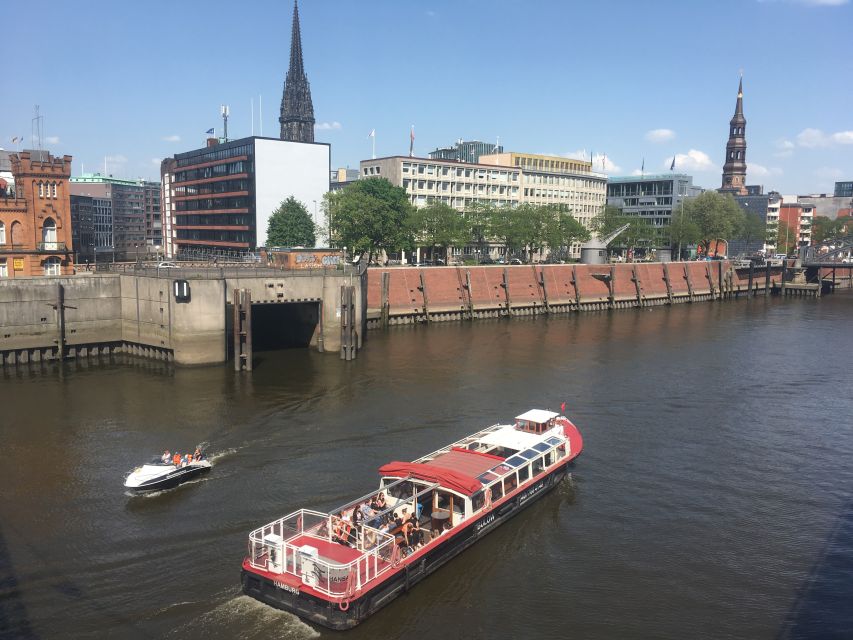
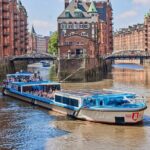
Plan to start at the Pontonanlage in the Binnenhafen, along Kajen and Hohe Brücke. The boats are opposite Miniatur Wunderland in the Speicherstadt, and you reach the pontoon from the bridge Kehrwiedersteg.
If you’re using public transit, the nearest station is Baumwall on the U3 line. This matters because the harbor area can feel spread out, and getting to the right pier fast makes the whole experience smoother.
If you’re driving, parking for cars and buses is available. Still, give yourself buffer time in case you’re arriving during peak visitor hours around Speicherstadt.
The $22 value: a 1-hour cruise that teaches what the skyline hides
At around $22 per person for a 1-hour harbor tour, this one is priced like a “quick win.” You’re not just buying a pretty ride; you’re buying context—how Hamburg’s port function shaped the city, and how the harbor looks now as a working system.
Even if you only have a short window in Hamburg, this cruise can do more for your orientation than another hour spent walking. From the water, you’ll see how the Elbe River funnels movement and how HafenCity sits next to active port zones rather than far away from them.
One practical tip: bring your expectations down to earth. This is a harbor tour, not a themed show, so the biggest payoff is the sights plus the explanations from the onboard guide.
Starting in Speicherstadt: the warehouses you’ll understand better later
The cruise starts at Kajen 1, right in the warehouse district area that many visitors know as Speicherstadt. From the water, these buildings look dramatic—tall facades rising straight from the canal-like harbor lines.
The value here is timing. You get a visual baseline in the beginning, then later you’ll watch the harbor shift from historic warehouse architecture to modern port infrastructure and HafenCity’s newer design. It’s easier to connect the dots when you’ve just “seen the first page” from the boat.
This first stretch also sets the pace: it’s calm enough to settle in, and you can start spotting the harbor details that you’ll keep seeing again in different forms—bridges, quays, and the edges where land meets water.
The Elbe river run: how to watch ships without feeling lost
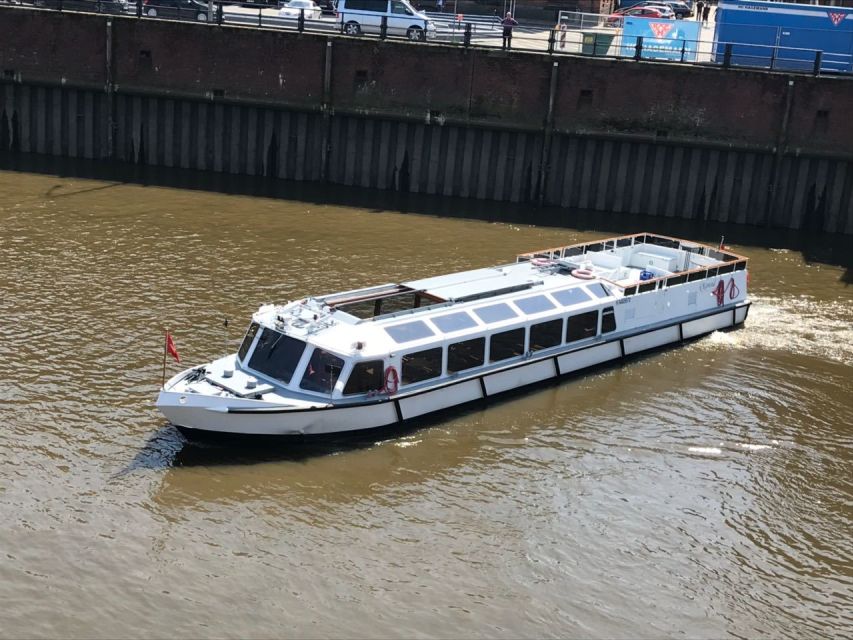
Once you’re underway, you’re out on the Elbe route and into the harbor with its major attractions. The cruise doesn’t just “go somewhere”; it threads through harbor basins and quays where you can actually watch the scale of shipping.
Here’s what makes the river and harbor portion feel worth it:
- You’ll see current ocean-going ships near the quay areas, not just distant silhouettes.
- You’ll spot the way the harbor is organized into zones, rather than one continuous waterfront.
- You’ll get the guide’s explanation of what you’re looking at while you look at it.
From a traveler’s standpoint, this is the sweet spot. If you’ve ever walked a city waterfront and wondered what’s actually happening there, a guided harbor cruise solves that in a very direct way.
A small winter note about visibility
On colder days, expect window fog. One winter departure with snow kept the ride interesting, but the windows needed frequent clearing with tissues. If you’re traveling in winter or early spring, bring a few tissues or a small cloth so you can keep your view sharp.
HafenCity and the Elbphilharmonie: skyline views with meaning
As you continue, the tour brings you past HafenCity, including views tied to the Elbphilharmonie. This is a great moment if you want a skyline view without hunting for the perfect viewpoint on land.
The Elbphilharmonie is famous for its shape, but from the harbor it reads differently. You get the scale relationship between the music hall and the port surroundings—this isn’t an isolated landmark; it’s part of a working harbor city.
What I’d look for on this part of the cruise is the contrast. HafenCity’s modern waterfront design sits close to older harbor functions, so you see how Hamburg modernized without removing the port’s role. The route helps you understand why the city can feel both architectural and industrial at the same time.
Also, this segment tends to be visual rather than a long stop. You’ll get the sighting and scenic cruising views, but it’s still a moving tour—so have your camera ready and don’t drift away from the window side.
Port icons you’ll recognize: St. Pauli bridges, Blohm and Voss, and Tollerort
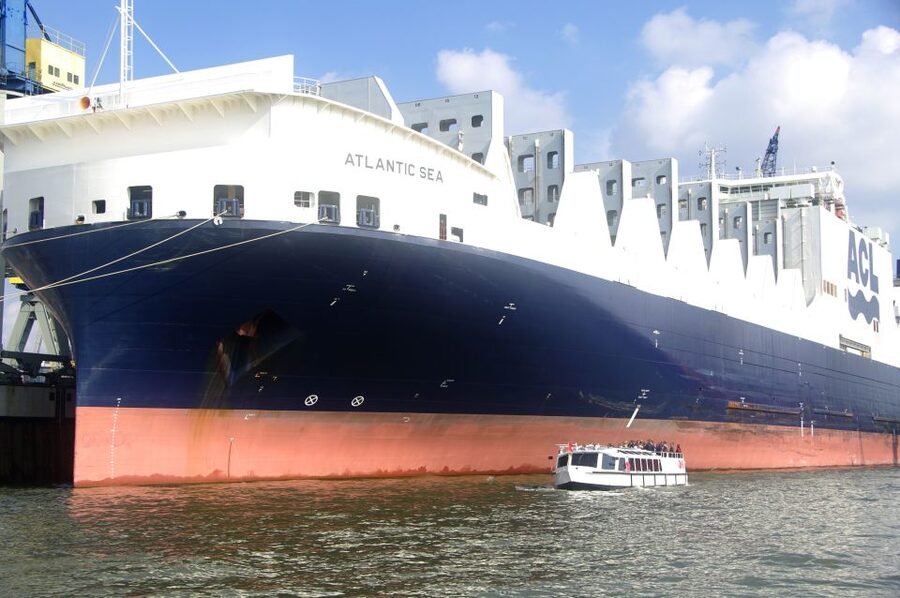
The harbor route isn’t only about pretty facades. You’ll pass some of the big port landmarks that explain Hamburg’s shipping muscle.
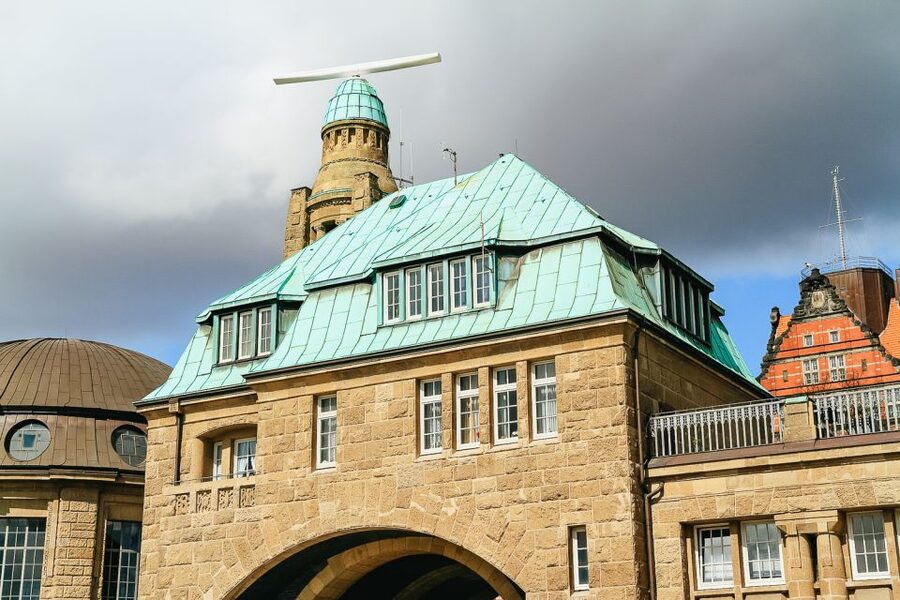
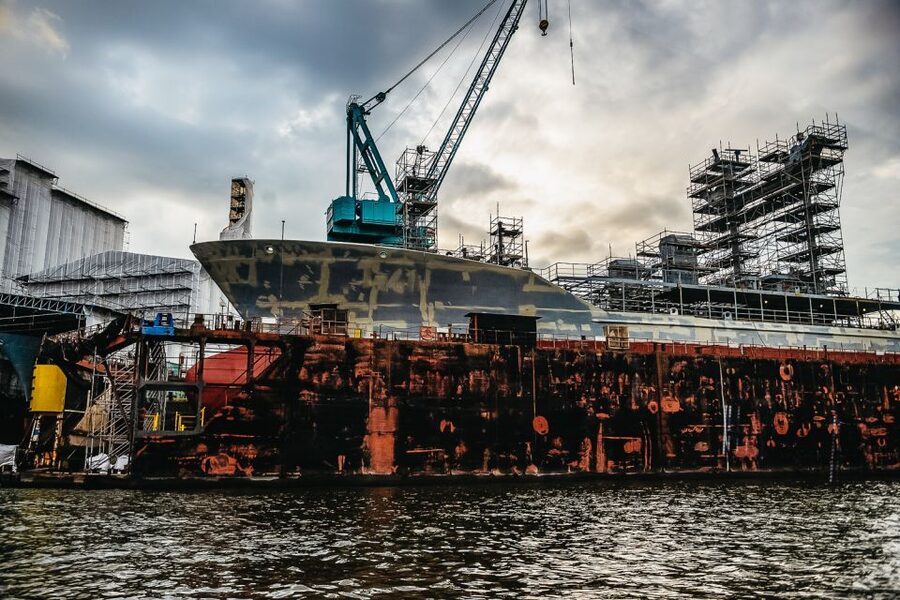
You’ll see the St. Pauli landing bridges, and you’ll also get a look at the Blohm and Voss shipyard. If you’re the kind of person who enjoys industrial architecture, these views can be surprisingly satisfying. They’re not photographed in the same way as the skyline, but they explain how ships are built and maintained in a real industrial setting.
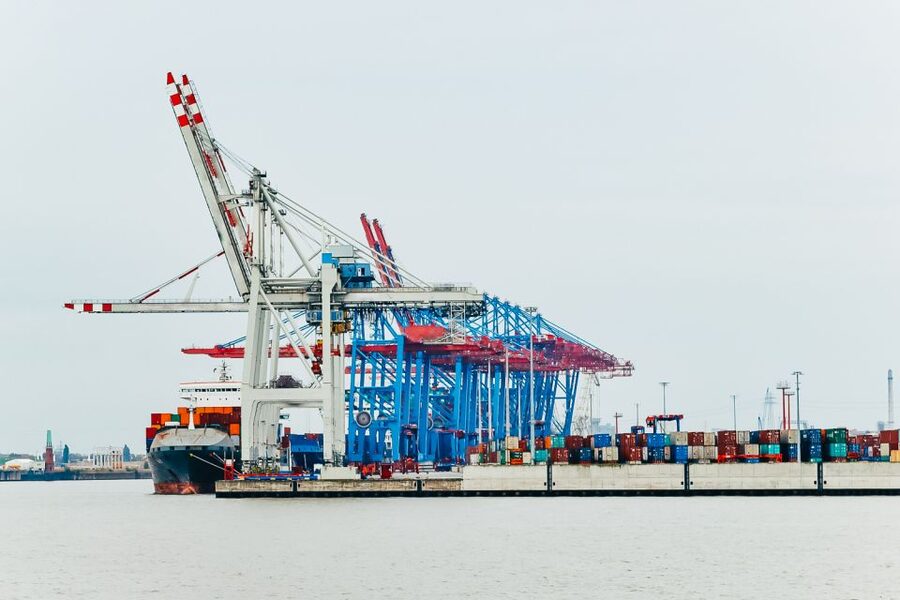
Then comes the Tollerort container terminal area, along with HafenCity connections like the cruise center. Container terminals can look abstract from the land, but from the water you start noticing how much movement and equipment defines daily operations.
Why these port sights matter
If you care about how cities function—how trade shapes neighborhoods and infrastructure—this is the part that gives the “why.” The guide’s narration ties the visuals to the harbor’s development over decades, so you’re not just clocking buildings and calling it a day.
And you’ll likely come away with a clearer idea of how a major European port works as a system: logistics zones, quays, shipyard areas, and container terminals all connected by the water route.
Museum ships and harbor basins: the past and present share the same water
The cruise also includes views of large and small museum ships. This can feel like a pleasant palate cleanser after the industrial scenes, because you get a sense of continuity—maritime identity doesn’t vanish when a port gets modern.
You’ll also pass through harbor basins and quays. Those words can sound abstract, but on the boat they become practical: you’ll see the different sections of the harbor and how ships sit and move within them. It’s a reminder that water access isn’t one uniform space; it’s engineered and organized.
This is also where the onboard guide’s timeline approach helps. Instead of treating the harbor as one static place, you hear how it developed to what you see today. That makes the scenery feel connected, not random.
Timing it right: how an hour can turn into more
The tour is listed as a 1-hour port experience, but the pace can run a bit longer depending on the departure. One winter booking noted the ride stretched closer to 1.5 hours, which is great if you’re planning a day and want a little breathing room.
So here’s the practical strategy: don’t schedule your next stop like a Swiss train connection. Give yourself buffer time afterward, especially if you want to walk through Speicherstadt again or pop into Miniatur Wunderland nearby.
Who this cruise fits best (and who should skip it)
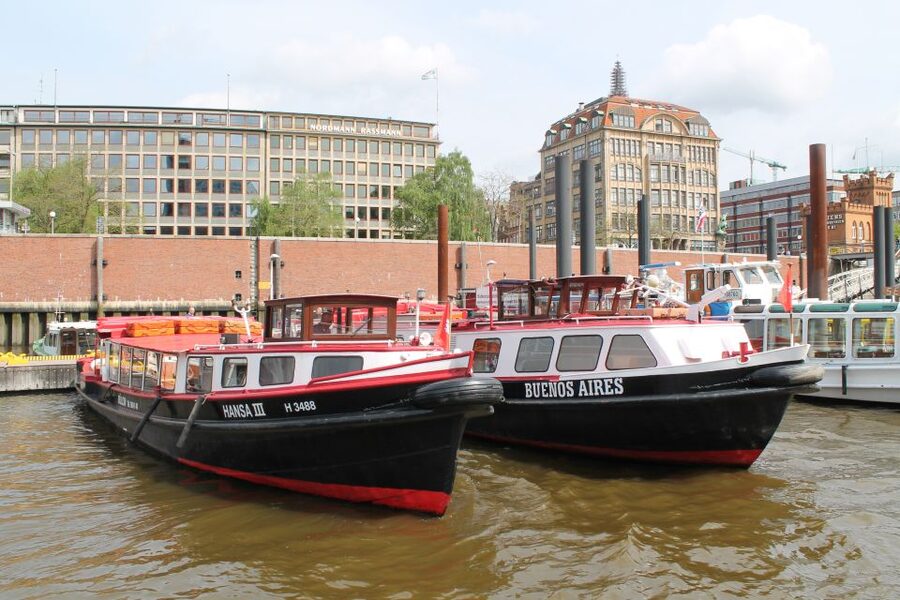
This Hamburg harbor cruise works well for:
- You if you want a short, guided introduction to Hamburg’s port and modern waterfront.
- You if you like architecture but also want real-world context behind it.
- You if you’re traveling with limited time and want skyline views plus industrial sights in one go.
It’s not the right choice if:
- You’re a wheelchair user, since the boats are not suitable for wheelchair access.
- You need a lot of standing around viewing from multiple land stops. This is a mostly onboard experience, and the main value is what you see from the water during the narration.
Practical tips before you board
A few small things make the cruise easier:
- Dress for wind and cold. Harbor water can feel sharper than the street.
- Bring tissues or a small cloth in cooler weather to help with window fog.
- Stay positioned so you can see through the windows while the boat turns. The best views often come during the route shifts.
- If you care about photo timing, keep your phone/camera charged and ready during the HafenCity and Elbphilharmonie segments.
Also, a quick note on booking savings: one booking story said the difference using an app was about 1 euro, which suggests it’s smart to compare prices but not assume a huge discount.
Should you book Hamburg: Harbor Cruise?
Book it if you want an efficient, guided way to understand Hamburg’s harbor from the water. For around $22 and roughly an hour (sometimes a little longer), you’ll see Speicherstadt, HafenCity, Elbphilharmonie views, and key port landmarks like St. Pauli, Blohm and Voss, and Tollerort, all with live German narration that puts the scenes into context.
Skip it if mobility is a concern (wheelchair access isn’t available) or if you’re expecting a long sit-down sightseeing program. This is a moving harbor tour—so the best mindset is: relax, watch the water work, and let the guide connect the visuals to how the port shaped the city.
FAQ
FAQ
How long is the Hamburg harbor cruise?
The tour duration is listed as 1 hour, and you can check starting times for the exact schedule.
What’s included in the price?
The price includes an experienced skipper/guide, moderation in German, and the 1-hour port tour. Food and drinks are not included.
Where do I meet the boat?
Meet at the Pontonanlage in the Binnenhafen on Kajen and Hohe Brücke, opposite Miniatur Wunderland in Speicherstadt. The pontoon is reached from the bridge Kehrwiedersteg.
What’s the nearest metro station?
The nearest metro station is Baumwall on the U3 line.
Is the tour suitable for wheelchair users?
No. The boats are not suitable for wheelchair users.
Can I cancel or reserve without paying right away?
You can cancel up to 24 hours in advance for a full refund. You can also reserve now and pay later to keep your plans flexible.