REVIEW · ROTTERDAM
Rotterdam: Harbor Cruise on a Historic Ship
Book on GetYourGuide →Operated by Rebus Varende Evenementen · Bookable on GetYourGuide
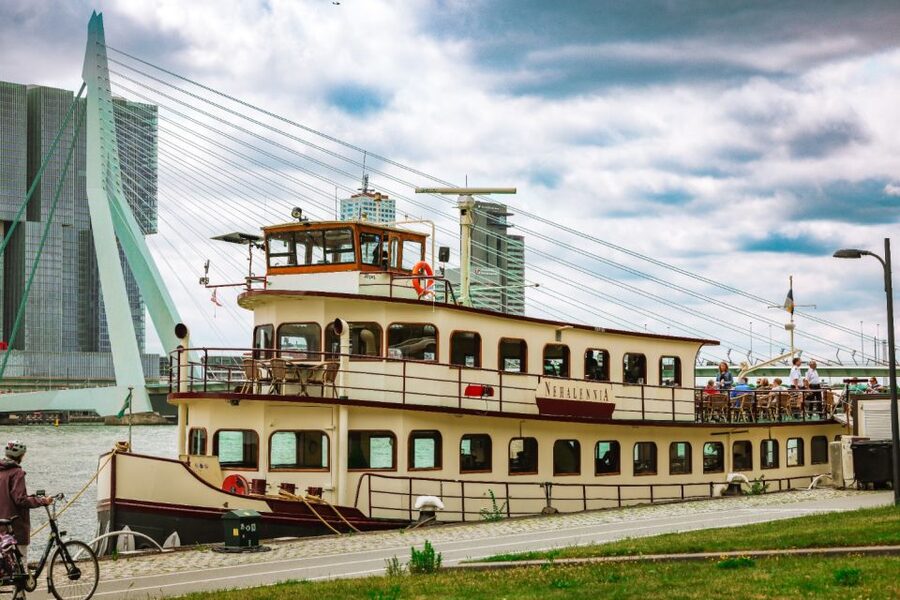
It starts with a classic ship: Nehalennia. This harbor cruise gives you a practical way to understand Rotterdam—up close to working docks, big cargo activity, and the modern architecture you usually only see from land. I especially like the Erasmus Bridge area as the backdrop, because it frames the whole trip and makes the harbor feel connected, not random. One thing to keep in mind: this cruise is not wheelchair accessible.
The onboard vibe helps, too. You can find a seat in the cozy salon or head out to the sun deck, and it’s set up for a relaxed pace where you can actually watch and take photos. I love that the audio guide calls out sights in Dutch with a Rotterdam dialect twist, and it also runs in English and German, so you’re not stuck guessing.
In This Review
- Key Points You’ll Notice on the Nehalennia Harbor Cruise
- Why Rotterdam From the Water Makes Sense (And Costs So Little)
- Finding the Nehalennia by the Erasmus Bridge
- The Cruise Rhythm: Cozy Salon Inside or Sun Deck Outside
- How the Audio Guide Works (And Why the Rotterdam Dialect Is Fun)
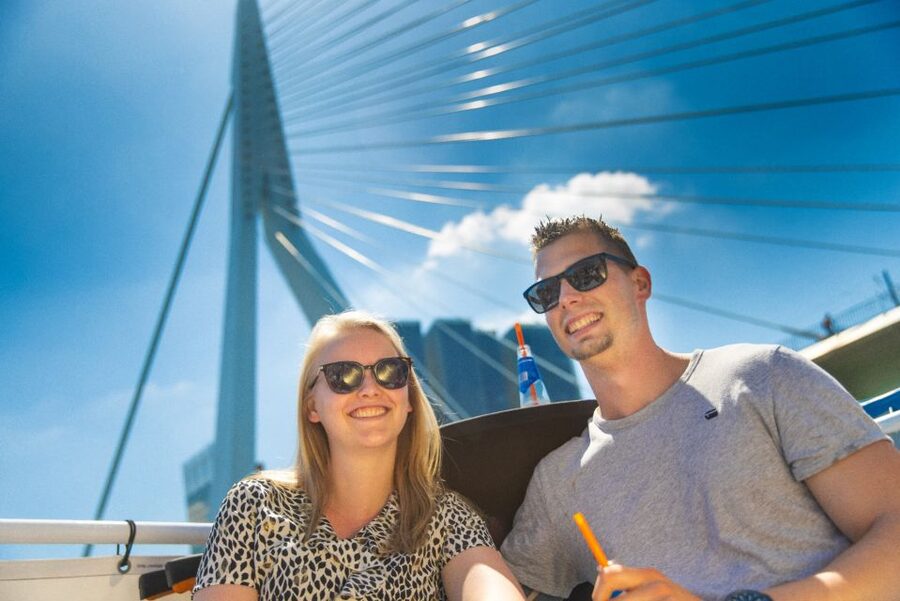
- Erasmus Bridge: The View That Anchors the Whole Harbor
- Veerhaven and Parkhaven: Waterfronts That Show Port Life at Human Speed
- Euromast: The Landmark You Can Read Even From a Moving Boat
- Schiedam on the Route: A Sense of the Wider Area Beyond Rotterdam
- Waalhaven and the Working-Port Reality Check
- RDM (Former Rotterdam Dry Dock Company): Industry With Details You Can Actually See
- Eemhaven: Another Angle on Scale and Activity
- ss Rotterdam and the Old Hotel New York: Where the Port Meets Storytelling
- Practical Tips So Your Photos and Experience Don’t Feel Rushed
- Who This Harbor Cruise Is Best For
- Who Should Think Twice Before Booking
- Should You Book the Rotterdam Harbor Cruise on Nehalennia?
- FAQ
- How long is the Rotterdam harbor cruise on the Nehalennia?
- Where do I meet the cruise?
- What’s included in the ticket price?
- Are food and drinks included?
- What languages are available on the audio guide?
- Is the tour wheelchair accessible?
Key Points You’ll Notice on the Nehalennia Harbor Cruise
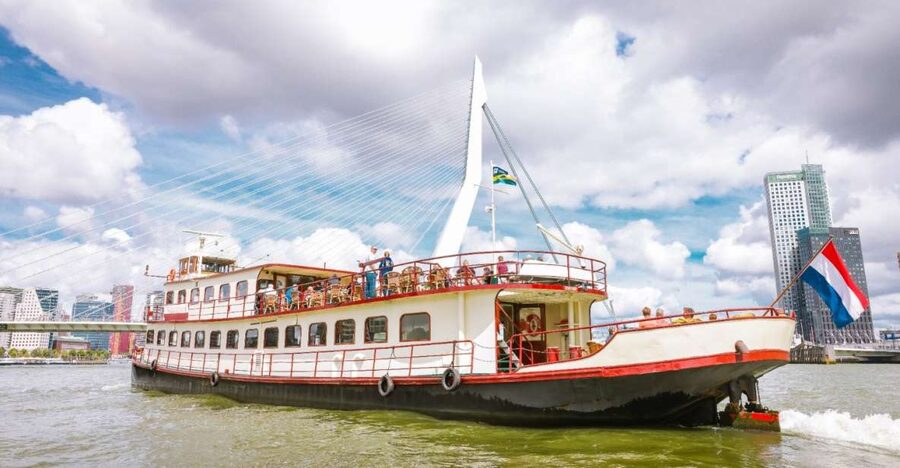
- Historic ship atmosphere: You’re riding a classic vessel, not a generic sightseeing boat.
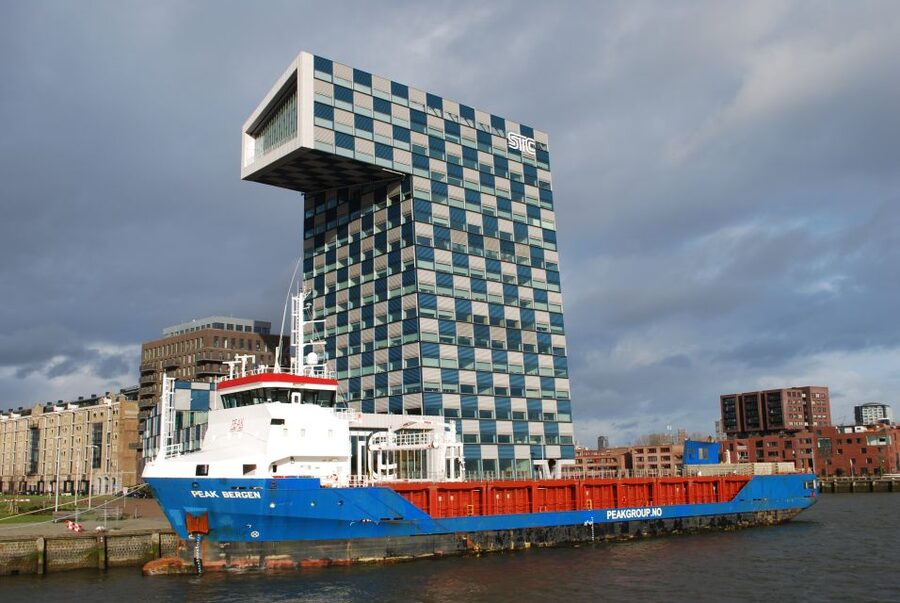
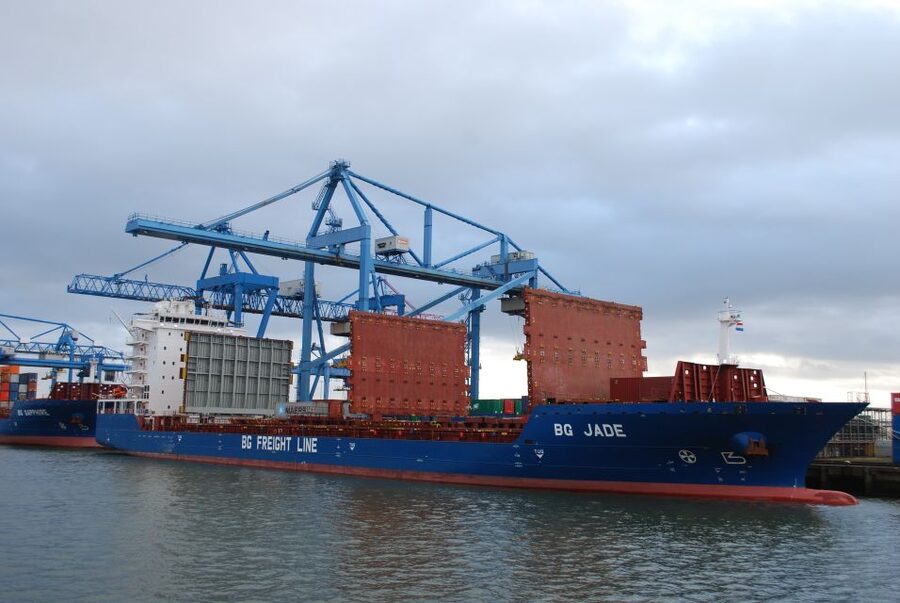
- Working harbor focus: Expect real port life—container ships, cranes, ferries, and tugboats.
- Architecture from the water: Bridges and buildings look different (and bigger) across the Maas.
- A calm, photo-friendly pace: The cruise moves slowly enough to enjoy details, not just pass by.
- Audio guide in three languages: Dutch (including Rotterdam dialect), English, and German.
- Onboard bar and snacks: You can buy drinks and food as you go.
Why Rotterdam From the Water Makes Sense (And Costs So Little)
Rotterdam can feel like a city of angles and industry. From street level, it’s easy to miss how the harbor shapes everything—the way routes line up, how bridges channel views, and how cargo traffic turns certain waterfronts into busy corridors.
This 1.5-hour harbor cruise is a simple answer. For about $20 per person, you get a chunk of time where you can see a lot of what makes the port famous, without renting a bike, finding parking, or plotting a long self-guided route. It’s also one of the easiest “first day” activities. You come aboard, you get the names, and you start spotting those landmarks later on your own.
And the price-to-time ratio is solid because the cruise isn’t a quick loop. You’re out long enough to watch vessels at work—cranes doing their thing, ferries crossing, and the general rhythm of a major working port. That’s the core value here: you’re paying for a guided view of activity, not just a pretty ride.
Finding the Nehalennia by the Erasmus Bridge
Meeting is straightforward. You’re looking for the passenger ship Nehalennia right next to the Erasmus Bridge. If you’re already on foot in the city center area, this is one of those rare tours where the meeting point doesn’t require a hidden shuttle or a complicated transit plan.
The cruise ends back at the same spot, so you don’t need to worry about how you’ll get home from a different dock. When a tour uses a loop like this, it saves mental energy. You can just focus on the harbor.
The Cruise Rhythm: Cozy Salon Inside or Sun Deck Outside
Once you’re onboard, you’re choosing between two comfort modes.
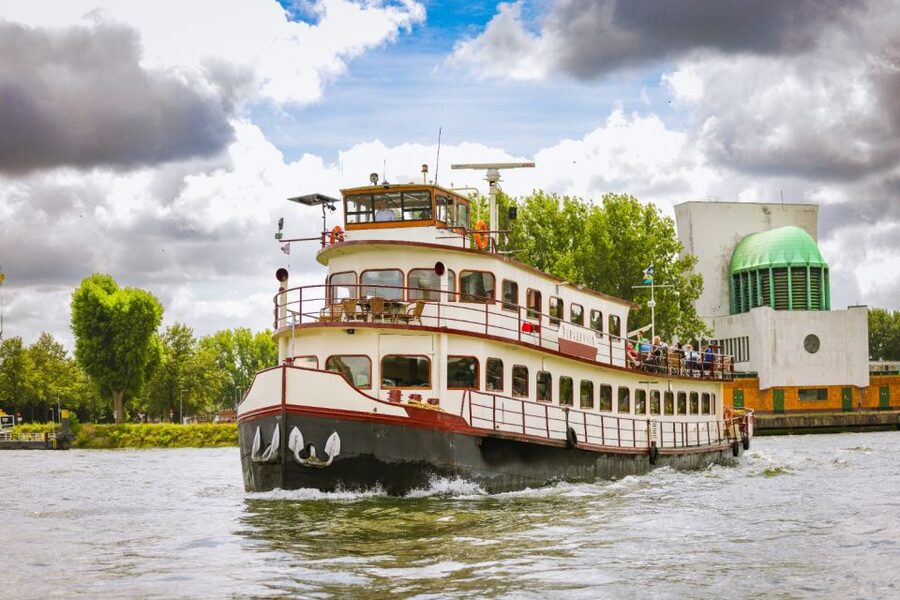
Inside, there’s a cozy salon with seating and a relaxed indoor view. If you’re traveling in cooler weather or just want shade, this is the best option. Outside, the sun deck is where you get the open-air feeling—great for long looks at bridges and waterfront industrial details.
The pace matters. This isn’t a speedboat. You’ll have time to watch, breathe, and frame photos without feeling rushed. That makes a big difference when you’re trying to catch container ships, cranes, and ferries in motion. A fast cruise can turn everything into blur. Here, you get real moments.
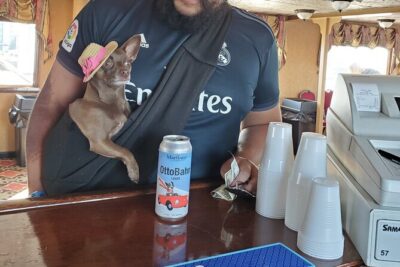
Also, there’s a bar onboard with drinks and snacks available for purchase. So if you want a cold drink while you watch the Maas, you can do that without leaving the boat.
How the Audio Guide Works (And Why the Rotterdam Dialect Is Fun)
The tour’s main information layer is an audiovisual guide, and it runs in Dutch, English, and German. The Dutch version is especially notable because it uses Rotterdam dialect, which adds personality. You’ll hear the city’s own way of talking about places, not just standard textbook Dutch.
In practical terms, this helps you connect names to visuals. When the guide points out a structure or a dock area, you’re not stuck staring at shapes with no clue what you’re looking at. And because you’ll hear the same key sights in multiple languages, you can follow along comfortably even if you’re not fluent in Dutch.
If you’re the type who likes to know “what am I seeing?” rather than just “what does it look like?”, this format fits you well.
Erasmus Bridge: The View That Anchors the Whole Harbor
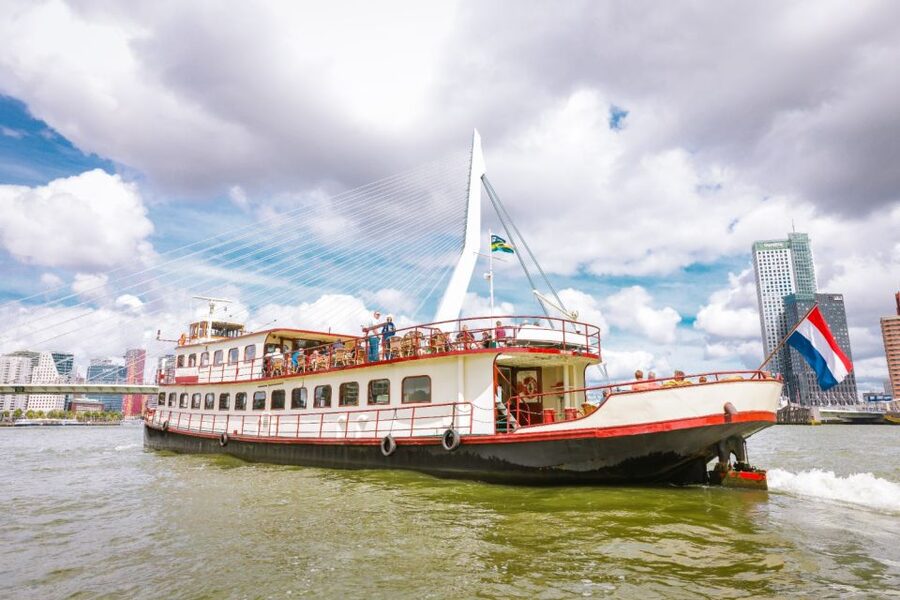
The cruise passes the Erasmus Bridge, and it’s a smart start. From water, you see the bridge as part of a system: it doesn’t stand alone. It connects routes, funnels movement, and gives you a sense of scale for the port beyond.
This bridge also functions like a reference point. Once you see it again from different angles during your cruise, you’ll start to recognize how Rotterdam’s waterfront is laid out. That makes the rest of the route easier to understand.
Veerhaven and Parkhaven: Waterfronts That Show Port Life at Human Speed
Next you’ll glide past areas like Veerhaven and Parkhaven. These sections help you understand Rotterdam as more than just “containers and cranes.” You’re seeing how waterfront zones relate to the city side—places where movement and architecture meet.
It’s also where you’ll likely notice the rhythm of day-to-day harbor activity. Watching ferries and other working craft in these zones gives you a better sense of how the Maas stays busy, even when it’s not dramatic.
A nice bonus here is the context. Instead of jumping straight to the biggest industrial-looking corners, you build a mental map. You learn what kind of harbor activity appears where.
Euromast: The Landmark You Can Read Even From a Moving Boat
The Euromast is one of those Rotterdam structures that’s easy to recognize once you’ve spotted it. Seeing it from the harbor route turns it into more than an iconic tower. It becomes a visual marker for how the skyline and the port relate.
If you plan to do more self-guided sightseeing after the cruise, Euromast is a helpful anchor. It’s the kind of landmark you can later use to orient yourself around Rotterdam’s waterfront.
And because the cruise moves at a steady, unhurried pace, you’ll have time to take a clean shot rather than grabbing one second before it’s gone.
Schiedam on the Route: A Sense of the Wider Area Beyond Rotterdam
The itinerary includes Schiedam, which adds a subtle “beyond Rotterdam” element. Even if you’re not getting off the boat to explore, seeing Schiedam along the approach gives you a stronger sense that this region is one connected water-and-industry network.
For many visitors, Rotterdam is the headline. This stop helps you see it as part of a larger story, where nearby towns and waterways are tied together by the same kind of maritime thinking.
Waalhaven and the Working-Port Reality Check
When you reach places like Waalhaven, the tour leans into what Rotterdam is known for: an active harbor filled with large commercial vessels. This is where you’ll focus on the visible mechanics of shipping—how ships line up, how cranes operate nearby, and how tugboats and other service craft fit into the daily flow.
This section also helps you understand the scale. From the water, cargo giants don’t look like distant silhouettes. They feel present and practical, like you could hear the engines if you leaned a little closer.
If your goal is to see the harbor as a working machine, not a postcard, this part is one of the best reasons to book.
RDM (Former Rotterdam Dry Dock Company): Industry With Details You Can Actually See
The cruise includes the former R(otterdam) D(roogdok) M(aatschappij). That kind of full-name industrial site matters because it’s not just a generic “industrial area.” It’s tied to the shipbuilding and maintenance side of maritime history, and you can spot how industrial layouts were built for specific functions.
Even from a moving boat, you can look for the structures that suggest how ships were serviced and managed. If you like ports, engineering, and the physical logic behind harbors, this is the section that rewards your attention.
Eemhaven: Another Angle on Scale and Activity
Next is Eemhaven, which continues the theme: more water, more port movement, and more chances to see the harbor from angles that you can’t easily replicate from just one waterfront walkway.
Eemhaven works well as a “keep going” segment. If you’re starting to feel like you’ve seen enough, the scenery keeps changing just enough—ships, waterfront structures, and the way the Maas bends your view.
It’s also a good stretch to watch the smaller details, like how ferries and service vessels move relative to container ships.
ss Rotterdam and the Old Hotel New York: Where the Port Meets Storytelling
Now the tour turns a bit more reflective. You’ll pass ss Rotterdam and the old hotel New York.
These stops matter because they remind you that a harbor isn’t just business. It’s also a stage for people—travel, hospitality, and the kind of grand city ambition that grows around major ports.
Even if you don’t study the buildings in depth on the water, the contrast is clear: industrial work on one side, legacy architecture and iconic names on the other. This mix is one reason Rotterdam feels different from many other Dutch cities. It’s not trying to be only pretty. It’s trying to be useful.
Practical Tips So Your Photos and Experience Don’t Feel Rushed
This cruise is built for a relaxed pace, but you’ll get more if you plan tiny things:
- If you want the best bridge angles, alternate between inside and outside views, instead of committing to one spot the entire time.
- Bring a phone camera plan. You don’t need a tripod, but you do want a steady hand when a vessel passes close.
- If the day is sunny, the sun deck is worth it. You’ll also feel the vibe more, because you’re not trapped behind glass.
And if you’re the kind of person who likes to absorb information, don’t just look. Listen. The guide ties names to sights, and it turns “more stuff” into a coherent route.
Who This Harbor Cruise Is Best For
This experience fits best if you want:
- A quick introduction to Rotterdam’s harbor and architecture
- A low-effort way to see major waterfront landmarks in about 1.5 hours
- Something calm and comfortable, with onboard seating in both indoor and outdoor areas
- Audio in Dutch, English, and German, with the Dutch version in Rotterdam dialect
It’s also a good match for mixed groups—people who like sights and people who like industry. You’ll keep moving through both types of interest.
Who Should Think Twice Before Booking
There’s one clear limitation: it’s not wheelchair accessible. If mobility access is a concern, you’ll want to look for another format.
Also, since food and drinks are not included (though they’re available to buy), plan for a small extra spend if you want to snack or drink during the ride.
Beyond that, the cruise is pretty straightforward. No hiking, no transfers, no complicated choices.
Should You Book the Rotterdam Harbor Cruise on Nehalennia?
If you want a fast, affordable way to understand Rotterdam’s working harbor and modern architecture from the Maas, I’d book this. The historic Nehalennia adds charm, and the slow, photo-friendly pace makes it enjoyable rather than just efficient.
I especially like that the tour gives you more than views. The audio guide brings the sights into focus in multiple languages, including Rotterdam dialect for extra flavor. Add the onboard comfort—salon inside, sun deck outside, and a bar for drinks—and you’ve got a solid half-day buffer that doesn’t drain your energy.
FAQ
How long is the Rotterdam harbor cruise on the Nehalennia?
The cruise lasts about 1.5 hours. Starting times vary, so you’ll need to check availability.
Where do I meet the cruise?
Meet at the passenger ship Nehalennia next to the Erasmus Bridge. The tour ends back at this meeting point.
What’s included in the ticket price?
Your ticket includes the 1.5-hour harbor cruise and an audio guide commentary.
Are food and drinks included?
No. Drinks and snacks are available to purchase onboard.
What languages are available on the audio guide?
The audio guide commentary is available in Dutch, English, and German, with Dutch in a Rotterdam dialect style.
Is the tour wheelchair accessible?
No. This activity is not suitable for wheelchair users.