REVIEW · HAMBURG
Hamburg: 2-hour harbor cruise
Book on Viator →Operated by Rainer Abicht Elbreederei GmbH & Co. KG · Bookable on Viator
Hamburg from the water feels different. This 2-hour harbor cruise gives you a close-up look at the city’s working port while also slipping past historic warehouses and newer districts. I especially like the way the route balances classic sights with industrial scale, and the fact that you get live commentary plus a handy audio app if you’re not fluent in German.
One thing to watch: the on-board guide speaks German live, and English depends on the audio app and headphones—some people find the app isn’t always smooth.
In This Review
- Key points before you go
- Why This Hamburg Harbor Cruise Feels Like City Sightseeing
- Price and Value: What $48 Buys You in Real Time
- Meeting at St. Pauli Landungsbrücken: Bridge 1 Is the Target
- Language Reality Check: German Live Commentary and the App
- The Route in Plain English: Speicherstadt to the Working Port
- New Landmarks and Waterfront Heritage: What You’ll Catch Early
- St. Pauli Landungsbrücken and Altona: Piers, Markets, and Sunday Energy
- Container Terminals and Cruise Ships: Hamburg’s Scale Is Hard to Fake
- Blohm & Voss Shipyard: Where Big Boats Are Built and Fixed
- The Working Elbe Tunnel: A Functional Landmark Under Your Feet
- Musicals Along the Water: Theater Facades and a Viewing Platform
- Fish Auction Hall and the Sunday Market Connection
- Getting the Most From Two Hours on the Elbe
- Who This Cruise Suits (and Who Might Be Happier Elsewhere)
- FAQ
- Is this Hamburg harbor cruise about 2 hours long?
- Where do I meet the tour?
- Where does the tour end?
- Is there a restroom on board?
- Is the live guide commentary in English?
- Is there an English audio option?
- Do I need headphones for the audio app?
- Are drinks and meals included?
- Can I bring a service animal?
- Is there free cancellation?
- Should You Book This Hamburg: 2-Hour Harbor Cruise?
Key points before you go
- Meet at St. Pauli, Bridge 1: it’s the official start point near the city center, by the Landungsbrücken.
- Two hours, all-ages friendly: a calm way to see a lot without long walking days.
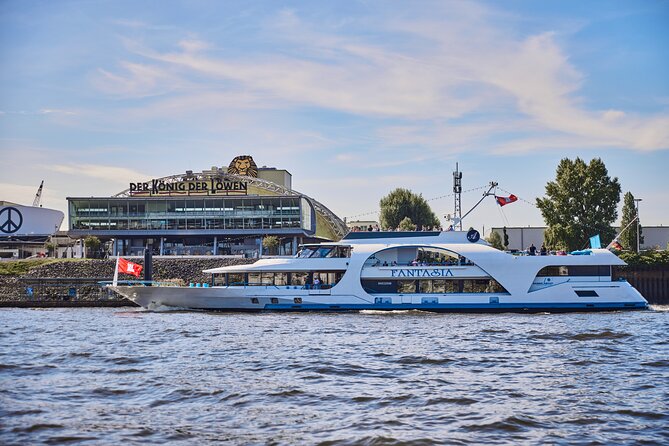
- Port views are the main show: container terminals, cruise ships, and the Blohm & Voss shipyard are big parts of the ride.
- German live guide, multilingual audio app: download the app ahead and bring earbuds.
- Restroom on board: helpful on a longer-than-it-sounds river cruise.
- Ends back at the Landungsbrücken area: you can continue exploring nearby without a major relocation.
Why This Hamburg Harbor Cruise Feels Like City Sightseeing
Hamburg is a port city, so seeing it from the Elbe makes the skyline make more sense. You’ll get sweeping river views plus the practical “how the city works” look at cargo, ships, and docks—stuff you simply can’t see from street level.
I like that the tour doesn’t just point at big buildings. You pass by places tied to daily life: old warehouse areas, museums and cafés along the waterfront, and the sense of a city that’s always building and rebuilding.
That said, this is not the type of cruise where you’ll learn everything about Hamburg in perfect English. The live guide is German, so plan on using the RainerAbicht audio app (with headphones) if language is important to you.
Price and Value: What $48 Buys You in Real Time
For about $48 per person and roughly 2 hours on the water, you’re paying for three things: a river route that hits lots of waterfront zones, a live human guide, and onboard comfort.
The best value piece here is simple: you’re not doing this as a DIY puzzle. The boat handles the “getting from place to place” element, while the guide focuses on what you’re seeing right now—warehouses, shipyards, docks, terminals, and more.
Also worth factoring in: drinks and snacks are not included, but there’s on-board availability. And since a restroom is on board, you don’t lose time hunting for facilities when the water portion stretches a bit longer than you expected.
Meeting at St. Pauli Landungsbrücken: Bridge 1 Is the Target
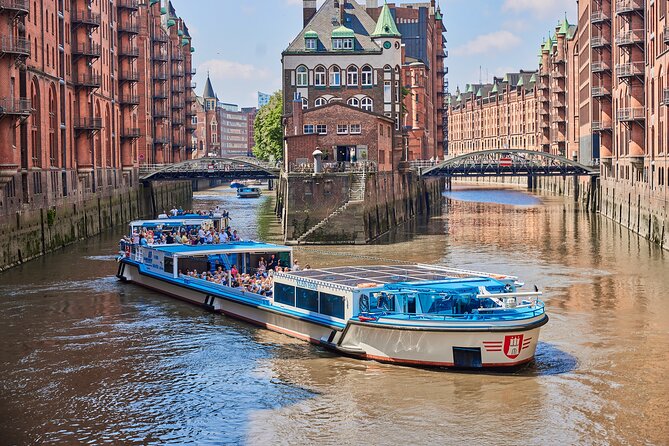
Your start point is Rainer Abicht Elbreederei at Bei den St. Pauli Landungsbrücken, Brücke 1 (20359 Hamburg). From there, you’ll cruise and then finish back in the Landungsbrücken area—at different bridges along the piers.
A practical tip: arrive with a little buffer. People can get sent to the wrong bridge if they match the wrong label on a ticket, and boarding can feel rushed when a boat is already waiting to leave.
Once you’re on board, you’ll settle into a boat that’s built for sightlines—so even if you don’t catch every single detail in the moment, you’ll still come away with strong visuals of the port and waterfront.
Language Reality Check: German Live Commentary and the App
Here’s the deal. The on-board guide provides live commentary in German. The tour description also includes an audio guide app called RainerAbicht available in multiple languages via Apple and Play Store.
If you want English, you’ll need a phone, headphones/earbuds, and enough time to get the app working. Several issues pop up in the real world: app downloads can be slow, audio may be harder to hear over live narration, and the app may require you to select prompts rather than automatically triggering the exact moment you pass each landmark.
So your best move is boring but effective:
- Download and test the audio app before you arrive at the pier
- Bring working wired earbuds (less fuss than cheap Bluetooth)
- Have your phone volume turned up enough to hear clearly while the boat is moving
If you’re comfortable with a German-led tour, you’ll likely feel less stressed. If you’re not, treat the app as essential—not optional.
The Route in Plain English: Speicherstadt to the Working Port
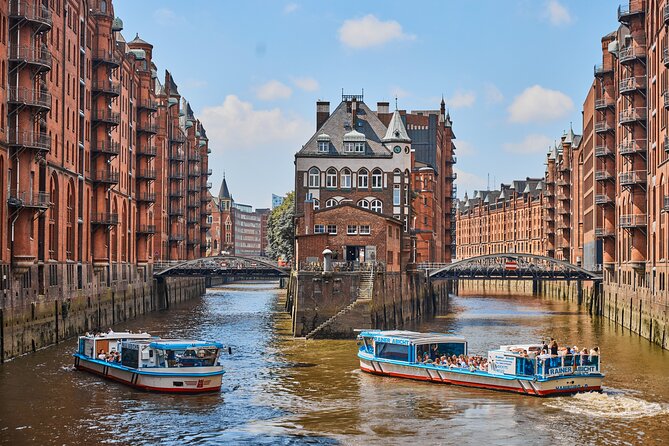
The cruise runs through a mix of Hamburg waterfront “worlds.” Early on, you’ll glide past historic buildings and warehouses, plus areas with museums, cafés, and restaurants near the water. This is the side of Hamburg that feels architectural and old-school.
Then the tour shifts toward the city’s industrial engine room. You’ll see the St. Pauli Landungsbrücken docking area, the Altona side of the harbor, and then the big maritime infrastructure: container terminals, container ships, and cruise-ship berths.
Over the full two hours, the route has a rhythm: calmer waterfront views, then heavier port visuals, then back toward more scenic river moments. It’s a good structure if you’re open to the idea that Hamburg’s story is partly cargo logistics.
New Landmarks and Waterfront Heritage: What You’ll Catch Early
At the start, you’ll pass areas described as Hamburg’s new landmarks and zones with historic buildings and warehouses. This part of the cruise is where you see the city’s planning choices from the water—how the old grain of the waterfront meets modern development.
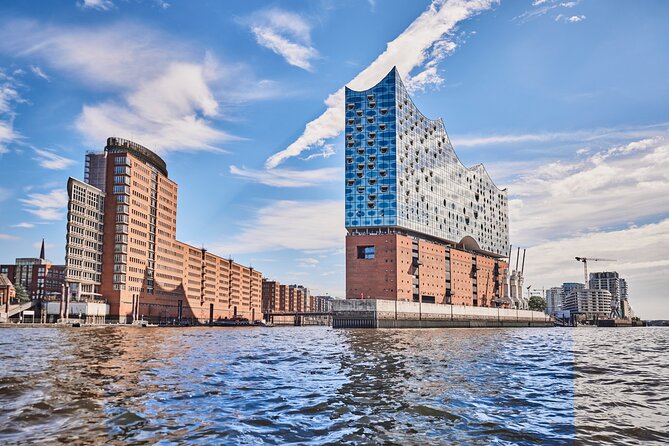
You may also catch views of major cultural architecture from the Elbe. From what I know about this stretch of river, people often get especially taken with the skyline framing around the harbor-culture axis, including big-ticket modern buildings visible from the water.
The “value” here is that the boat gives you perspective. From a street viewpoint you might miss how tightly the districts connect to the docks. From the river, you get that connection instantly.
St. Pauli Landungsbrücken and Altona: Piers, Markets, and Sunday Energy
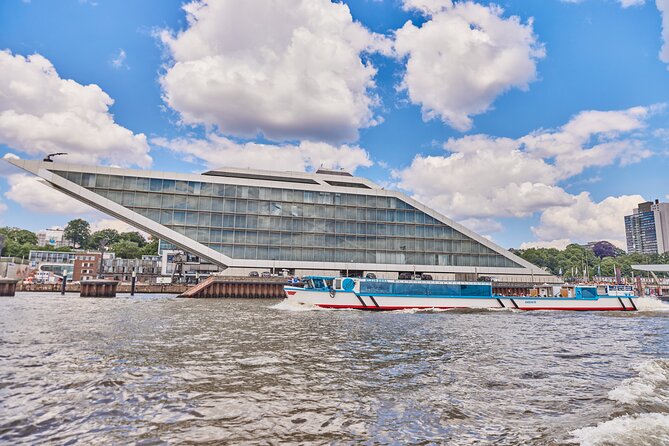
One of the key stops is the St. Pauli Landungsbrücken, which functions as a large docking area for passenger ships at the northern edge of the Port of Hamburg. This stretch is part transport hub, part landmark corridor, and a very visible part of the city’s working waterfront.
From the water, you’ll also look toward Altona Fish Market, described as a public market in the Altona-Altstadt district. A key detail: it’s a Sunday market, with stalls for fish and groceries, plus flowers and even clothing.
If you’re visiting on a Sunday, this part becomes extra interesting. Even if you’re not stepping onto the market itself, the cruise view helps you understand what you’d be seeing on land—where the crowds would be, and why this area matters.
Container Terminals and Cruise Ships: Hamburg’s Scale Is Hard to Fake
This is the main section for people who love big ships and real port operations. You’ll see container terminals and container ships, plus impressive views of loading activity.
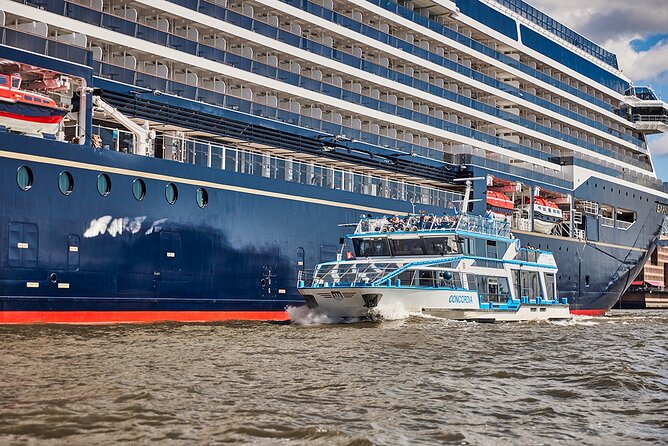
You’ll also pass cruise ship docks that can include vessels like Queen Mary 2 and AIDA, depending on the date. The effect is simple: Hamburg doesn’t do small-scale port life. You see that scale immediately from the river.
If your goal is city history and architecture only, you might feel the cruise gets “maritime heavy” for a while. But if you’re curious about how global trade looks when it’s right next to a city center, this portion is the payoff.
Blohm & Voss Shipyard: Where Big Boats Are Built and Fixed
Near the cruise-ship docking area, you’ll get views of Blohm & Voss, the shipyard where ships are built and/or repaired.
This matters because it adds context. A container ship doesn’t appear fully formed on the water. Seeing the shipyard from the river helps you connect the dots between berths, terminals, and the long-term work that keeps the fleet running.
From a sightseeing standpoint, the shipyard backdrop also gives you strong contrast—industrial geometry against the Elbe’s wide open water.
The Working Elbe Tunnel: A Functional Landmark Under Your Feet
One of the standout “wait, that’s real” moments is the historic tunnel that is still functional, running under the Elbe from Landungsbrücken to Steinwerder.
You won’t be getting a tunnel tour on foot—this is a sight-and-understand moment from the boat. But having it described as still operational adds a layer of respect. It’s not a museum model. It’s infrastructure still doing its job.
If you like landmarks with practical purpose, this stop turns the cruise into more than a pretty ride.
Musicals Along the Water: Theater Facades and a Viewing Platform
As you continue, you’ll pass the most successful musical in Hamburg, and there’s another neighboring musical that varies by current show. Next to that area, there’s also a viewing platform you’ll notice from the river.
Even if you don’t plan to see a show, it’s a fun way to notice how Hamburg’s entertainment scene sits right next to maritime industry. The city doesn’t separate its identities. It layers them.
If you want, you can use this as a planning cue for later: you’ll know the general zone where the theaters cluster when you’re walking around after the cruise.
Fish Auction Hall and the Sunday Market Connection
The cruise also references the Fish Auction Hall, described as a historic event venue now used for events, concerts, and the Sunday fish market.
From the water, this portion helps “explain the why” behind the market energy you may see on Sundays. It’s not just a random tourist stop. It’s tied to an older role in the city’s seafood economy and still used for big community events.
If you like place-based context, this is the part where the cruise feels more like storytelling than just ship-watching.
Getting the Most From Two Hours on the Elbe
Two hours goes quickly when you’re bouncing between modern districts, older waterfront zones, and heavy port infrastructure.
To make the experience smoother:
- Bring headphones/earbuds if you need English audio through the RainerAbicht app
- Download the app ahead of time and confirm it plays before boarding
- Dress for river weather. Even in warmer seasons, a breeze off the water can make you glad you brought a layer
Also, don’t treat the app like magic. If it feels glitchy, don’t panic. Use it as support, but let your eyes do the main work—ships, piers, and warehouse lines are the heart of this cruise.
And yes, there’s a paid bar/nibbles area on board. Drinks and meals aren’t included in the ticket price, so if you want refreshments, plan to buy them there.
Who This Cruise Suits (and Who Might Be Happier Elsewhere)
This harbor cruise fits best if you want a wide waterfront sweep in a short window and you’re okay with a German-first live guide.
You’ll probably love it if:
- You like ports, ships, container terminals, and shipyard infrastructure
- You enjoy learning through what you see right in front of you
- You’re traveling with kids or mixed ages who don’t want a long walking day
You should think twice if:
- You need the live narration to be in English
- You’re relying on the app but don’t want to troubleshoot downloads, prompts, or audio timing
- You’re expecting a city-history lecture rather than a river-and-port perspective
FAQ
Is this Hamburg harbor cruise about 2 hours long?
The cruise is listed as about 2 hours.
Where do I meet the tour?
You meet at Rainer Abicht Elbreederei at Bei den St. Pauli Landungsbrücken, Brücke 1, 20359 Hamburg.
Where does the tour end?
It ends at the St. Pauli Piers area at Bei den St. Pauli-Landungsbrücken 8, 20359 Hamburg, at various bridges.
Is there a restroom on board?
Yes. A restroom is available on board.
Is the live guide commentary in English?
No. The tour includes live commentary by the tour guide in German.
Is there an English audio option?
An audio guide app called RainerAbicht is available on Apple and Play stores in multiple languages, including options for guests who need languages beyond German.
Do I need headphones for the audio app?
The tour information you have doesn’t explicitly state this, but the audio experience depends on using the app, so you should plan to listen with your phone audio setup.
Are drinks and meals included?
No. Drinks and meals are not included, though you can book them on site.
Can I bring a service animal?
Yes. Service animals are allowed.
Is there free cancellation?
Yes. You can cancel for a full refund up to 24 hours in advance of the start time.
Should You Book This Hamburg: 2-Hour Harbor Cruise?
Book it if you want the Elbe view and you’re genuinely curious about Hamburg as a working port. The mix of St. Pauli Landungsbrücken, container terminals, cruise-ship berths, and shipyard sights makes this cruise feel like a practical, high-impact way to see more than just monuments.
Skip or look for an alternative if you’re expecting the live guide to be in English. With this one, English is tied to the RainerAbicht app, so your comfort level with apps and headphones matters.
If you’re happy to balance visuals with a language setup, this is a strong two-hour use of your time in Hamburg.