REVIEW · TOKYO
Tokyo: Scenic Bay Cruise with Local Guide on Private Boat
Book on GetYourGuide →Operated by Tokyo Water Taxi · Bookable on GetYourGuide
Tokyo from the water feels different. I love how a small boat gets you into tighter angles, especially around Rainbow Bridge, and I love that an English local guide turns landmark spotting into real context.
The trade-off is simple: it’s short, and it’s time on the open bay—so if you get seasick easily, this one may be a bad match.
If you’re lucky and your guide is the one people rave about, like Sho, you’ll get the kind of friendly help that makes photos easier and Japan feel less abstract.
Small-boat access that lets you see views bigger cruises can’t reach
Rainbow Bridge pass-by with a real sense of scale from the water
English local guide sharing stories and practical recommendations
Sunset-bay timing for panoramic skyline photos you’ll struggle to match from land
Seabirds feeding fun when birds swoop near the boat during daytime rides
In This Review
- How a small-boat Tokyo Bay cruise makes the city feel new
- The route: Shibaura Dock, Tower and Skytree photo stops, then the big highlights
- Rainbow Bridge: the pass-by you’ll keep thinking about
- Odaiba close-up: futuristic waterfront views without the land crush
- Liberty Statue in Tokyo: a quick stop with a fun change of pace
- Tokyo Tower and Skytree from the water: how to get the best angles
- Seabirds feeding near your boat: the playful side of Tokyo Bay
- The value question: is $38 a fair deal for one hour?
- Small groups and private-style attention: what that changes for your trip
- On-board setup: speakers, drinks, and the rules that keep things smooth
- Who should book this cruise (and who should skip it)
- Should you book this Tokyo Bay cruise?
- FAQ
- How long is the Tokyo Bay cruise?
- Who is on board and do you get a guide?
- Where do I meet the tour?
- Is this cruise private or shared?
- Is there anything provided on the boat?
- Can I bring my own food or drinks?
- What items are not allowed during the cruise?
- Is the cruise suitable for wheelchair users?
- What should I bring for check-in?
How a small-boat Tokyo Bay cruise makes the city feel new
Tokyo has a way of training your eyes to expect buildings straight ahead. From the water, the whole city layout changes, and you start seeing geometry instead of just skyline. That’s the real magic here: this is Tokyo Bay at human scale, not a distant postcard.
I also like the pace. One hour is long enough to feel like an event and short enough to fit between trains, neighborhoods, and dinner. You’ll get a relaxing break from walking, with a guide onboard who keeps things moving without rushing you.
The route: Shibaura Dock, Tower and Skytree photo stops, then the big highlights
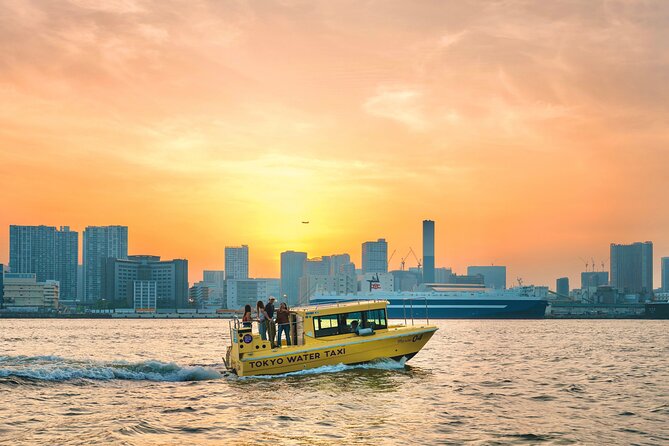
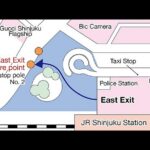
Your cruise starts at the Tokyo Water Taxi area, right in front of the office. You’ll take a short walk—about two minutes—to the pier, then get a safety briefing before you head out.
Once you’re underway, you’ll point your camera toward the skyline and start with Tokyo Tower. There’s a photo stop along the way, plus time to look and learn as the guide talks. It’s a good warm-up: Tower is familiar, so it helps you calibrate what you’re seeing from the bay.
Next comes Tokyo Skytree, again with a photo stop and scenic views on the way. Skytree from the water lands differently than from street level because you can judge height and distance more honestly. If you’re the type who likes to understand where things sit, these two early stops give you a mental map.
Then the cruise shifts from “spot the landmark” to “ride the landmark.” That’s where the route earns its reputation: you’ll pass key sights and slide into classic photo angles around Rainbow Bridge, Odaiba, and the bay waterfront.
Rainbow Bridge: the pass-by you’ll keep thinking about
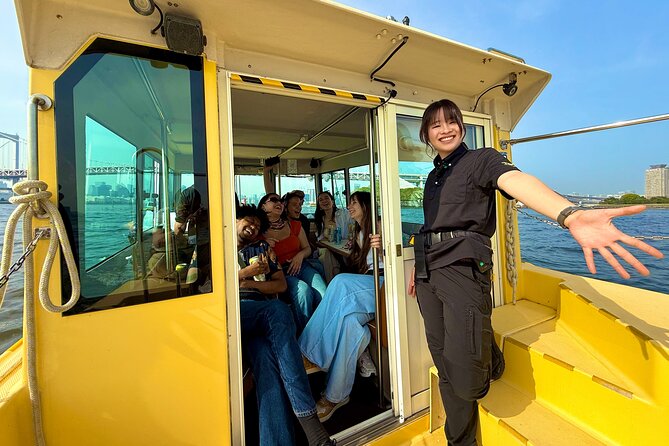
Rainbow Bridge is the headline for a reason. Passing it from the water makes it feel less like a symbol and more like an engineering moment—wide lanes, lighting, and the bridge’s reach across the bay.
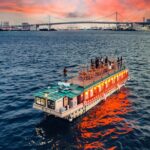
During the sunset-style experience, the timing matters. You’re not just watching lights turn on; you’re watching the sky color shift while the bridge glows. This is when the water reflects highlights and the skyline softens. It’s also the kind of stop where a good guide helps you aim your photos and understand what you’re actually seeing.
You’ll have time for a photo stop and then a pass-by, so you’re not stuck snapping from one awkward angle. If you care about photos, this is the moment to slow down, breathe, and shoot a few different frames instead of trying to do it all at once.
Odaiba close-up: futuristic waterfront views without the land crush
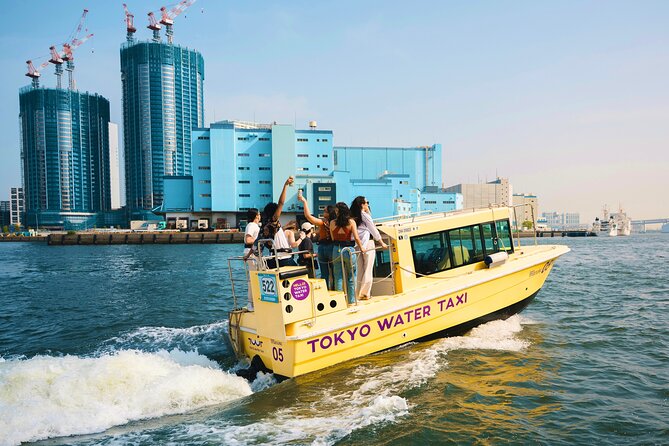
Odaiba looks futuristic from land, but it can feel like a theme park from some angles. From the bay, you get a calmer view where buildings, piers, and open water share the frame. You’ll sail past Odaiba up close, and that proximity is what makes the pictures feel more real.
This is also one of the best segments if you want a less frantic vibe. On land, you usually fight crowds and lines. On the boat, you control your own rotation—turn left, then right, then back to the skyline—without trekking across blocks.
Liberty Statue in Tokyo: a quick stop with a fun change of pace
The cruise also includes a Statue of Liberty Tokyo photo stop and pass-by. It’s not a long visit, but the water gives you a clean look at the monument’s placement on the bayfront. Think of it as a short palate cleanser between the big architectural stretches.
If you like spotting design references—especially how Japanese city planning borrows from global icons—this stop gives you something light and memorable without eating your whole hour.
Tokyo Tower and Skytree from the water: how to get the best angles
Tower and Skytree are tall enough that your instinct is to point the camera straight up. From the bay, the smarter approach is to angle your lens slightly and let the skyline layers do the work. The skyline doesn’t just sit behind these towers; it wraps around them.
Here’s why the early photo stops matter: once you see the towers from water, later shots around Rainbow Bridge and the bay feel more grounded. You understand distance and scale instead of just grabbing pretty silhouettes.
If it’s a clear day, you may even get a lucky sight of Mount Fuji—some people have been fortunate during these cruises. It’s not something you can count on, but clear-weather timing makes sense.
Seabirds feeding near your boat: the playful side of Tokyo Bay
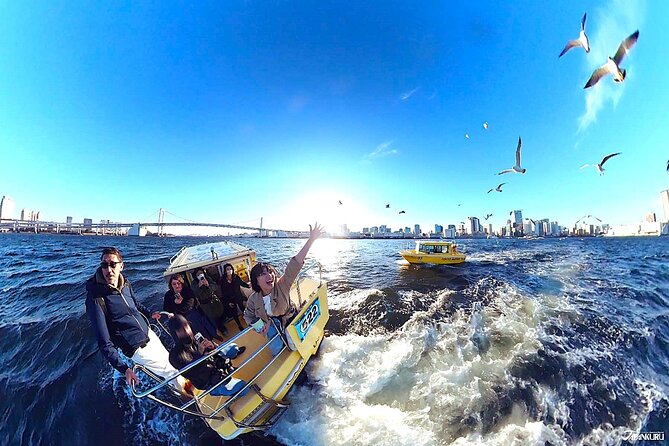
One of the most enjoyable parts is what happens on daytime cruises: you can get fun seabird feeding moments. Birds swoop alongside the boat as they’re fed, and the whole scene turns lively fast.
This is where the guide really adds value. The guide’s job isn’t just pointing; it’s helping you understand the moment and keeping it smooth so you can enjoy the spectacle. If you’re traveling with kids or you want something more “alive” than standing and photographing, this is a huge reason to pick the boat over another sightseeing option.
A practical note: keep your hands and bags secure and stay aware of where the birds are flying. It’s fun, but it’s still an active moment on moving water.
The value question: is $38 a fair deal for one hour?
At $38 per person for a 1-hour cruise, you’re paying for three things: access, comfort, and storytelling. The access is the big one—small boats can go where larger ones can’t, which means you get angles that don’t happen from land viewpoints or big tourist vessels.
The comfort also matters more than people expect. You’re not doing a long walking day, and you’re given life jackets. There’s also an indoor space on board where you can relax if you want to warm up, cool down, or just avoid wind.
Then there’s the guide. The experience isn’t just scenery; it’s commentary. Guides are known for being friendly and quick with answers, plus offering local recommendations. If you’re the type who likes to know what you’re looking at, that human element is part of the value.
Small groups and private-style attention: what that changes for your trip
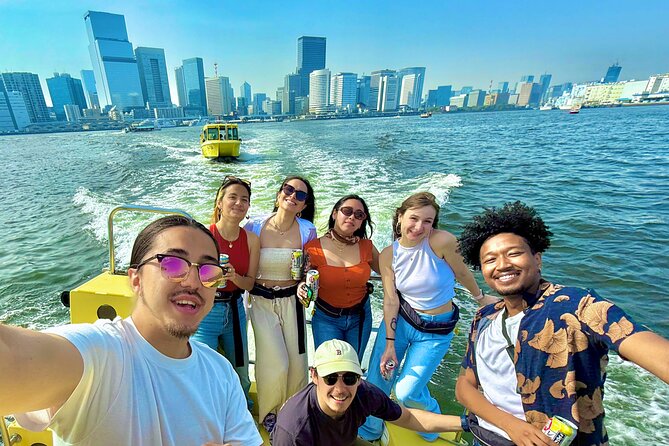
This cruise is set up for private or small groups, which usually means you feel less like a number. With a smaller boat, you also get closer to the views, and the ride feels more personal.
You can ask questions without shouting over a crowd. You can also reposition yourself on deck and get photos from different sides without waiting your turn in a packed line.
If you’re traveling as a couple or as a small family, this style is often the sweet spot: you get a guided experience with enough flexibility to enjoy the water.
On-board setup: speakers, drinks, and the rules that keep things smooth
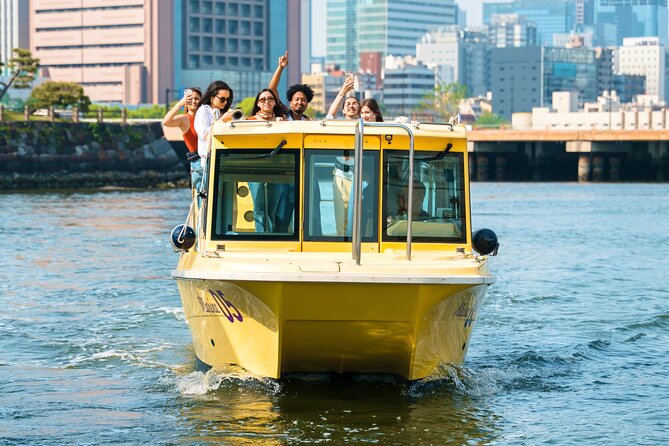
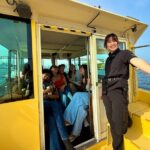
You’ll be with a captain and local guide onboard, and you’ll get a JBL speaker. That means there’s likely some soundtrack or audio support while you sail, plus a clear way for the guide to be heard.
You’re allowed to bring your own drinks and food. The guidance is simple: stick to plastic bottles or cans, no glass, and consider something light like a rice ball or sandwich. If you eat, the indoor space gives you a more comfortable option than balancing snacks on a windy deck.
There are also clear rules to keep things safe and respectful:
- No smoking
- No fishing
- No umbrellas
- No littering
- No jumping
- No swimming or diving
Also bring basic ID (passport or ID card for children). That’s a small step that prevents last-minute problems.
Who should book this cruise (and who should skip it)
This cruise is a strong fit if you want:
- A break from walking while still seeing major Tokyo waterfront sights
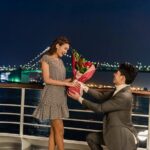
- A romantic sunset ride or a calm family outing
- Real photo angles and close-up views of Rainbow Bridge and the Odaiba waterfront
- A guide who answers questions and adds charm with local stories
It may not be the best fit if:
- You use a wheelchair, since it’s not suitable for wheelchair users
- You’re prone to seasickness, because it’s on the bay and you should be cautious with boat movement
Should you book this Tokyo Bay cruise?
Book it if you want Tokyo to feel less hectic and more scenic, with a guide helping you connect the dots between landmarks. The small-boat access plus the Rainbow Bridge pass-by and sunset skyline timing make it one of the easiest “wow” experiences to squeeze into a short stay.
Skip it if you need a fully accessible route for mobility needs, or if boats make you feel unwell. In that case, choose a land-based viewpoint where you can control your movement and stay close to rest areas.
If your goal is a high-value hour on the water with close views and friendly English guidance, this one earns a spot in your Tokyo plan.
FAQ
How long is the Tokyo Bay cruise?
It’s a 1-hour cruise.
Who is on board and do you get a guide?
You’ll have a captain and a local guide on board, with a live English-speaking guide.
Where do I meet the tour?
Meet right in front of the Tokyo Water Taxi office. You’ll then walk about two minutes to the pier.
Is this cruise private or shared?
It’s available as private or small groups.
Is there anything provided on the boat?
Yes: life jackets and a JBL speaker are included.
Can I bring my own food or drinks?
Yes. You can bring your own drinks (plastic bottles or cans only, no glass) and light food such as a rice ball or sandwich. There’s an indoor space where you can sit and relax.
What items are not allowed during the cruise?
Smoking, fishing, umbrellas, littering, jumping, swimming, and diving are not allowed.
Is the cruise suitable for wheelchair users?
No, it’s not suitable for wheelchair users.
What should I bring for check-in?
Bring a passport or ID card for children.