REVIEW · DARWIN
Darwin: Bombing of Darwin WW2 Tour with Harbor Cruise
Book on GetYourGuide →Operated by Sea Darwin · Bookable on GetYourGuide
Darwin’s WWII story doesn’t sit on a shelf. This Bombing of Darwin tour pairs land-based sites with a Darwin Harbor cruise, so you see how the attacks hit the city and then get a different angle from the water.
I really liked two parts most: the way the day is guided by local historians (you come away with a clear, human timeline), and the boat section, where the SS Neptuna and USS Peary shipwrecks turn history into something you can point at.
The only real drawback to weigh is time. At half-day length (about 270 minutes), you’ll have great coverage, but if you want to linger and read every panel at the museum, you might wish you had a bit more.
In This Review
- Quick hits
- A half-day that starts like a history lesson
- Following the 19 February 1942 timeline on land
- Charles Darwin National Park: bunkers and relics you can still see
- Defense of Darwin Museum: the film that lands
- A realistic note on museum time
- East Point Military Precinct and Myilly Point Heritage: the defensive footprint
- Darwin from the water: Stokes Hill, Fort Hill, and wrecks
- When water conditions change your view
- Transport, timing, and what to pack for a smooth morning
- Price and value: what you’re really paying for
- Who should book this WWII-focused Darwin tour
- Should you book the Darwin Bombing of Darwin tour with harbor cruise?
- FAQ
- How long is the Darwin Bombing of Darwin tour with harbor cruise?
- What time does the tour start and where is pickup?
- What does the tour cost?
- What’s included in the price?
- Is food included?
- Is the tour offered in English?
- Can I cancel for a full refund?
- Is the tour wheelchair accessible?
Quick hits
- Land stops built around the 19 February 1942 attacks, including places tied to what Japanese forces targeted
- Defense of Darwin Museum entry plus the kind of film-and-testimony presentation that makes events feel personal
- East Point Military Precinct and nearby heritage areas that show the defensive footprint around the harbor
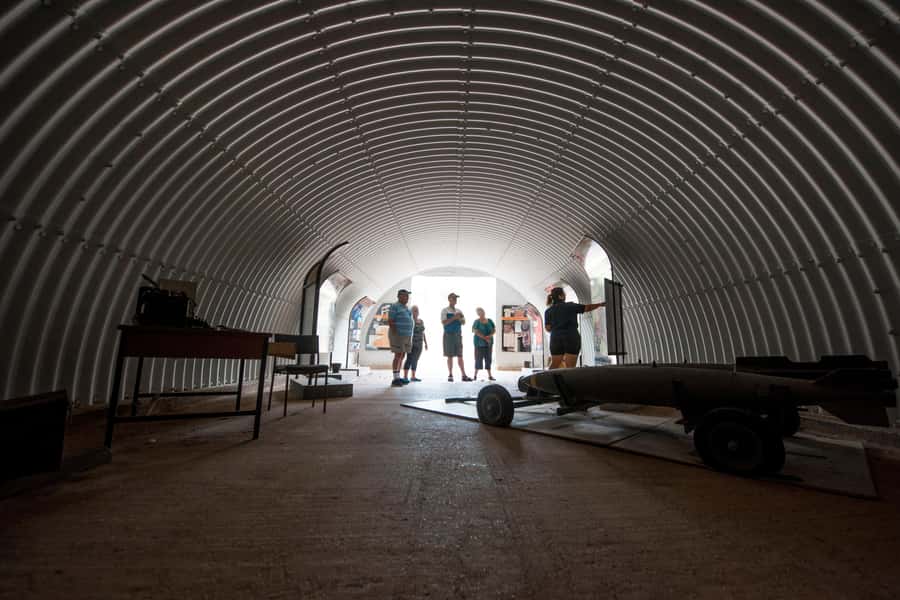
- Charles Darwin National Park WWII relics, including bunkers and ammunition-store type features
- A 1-hour harbor cruise passing Stokes Hill and Fort Hill wharves with wreck views (SS Neptuna and USS Peary)
- Weather-aware boat handling, with boarding choices that can shift if conditions are rough
A half-day that starts like a history lesson
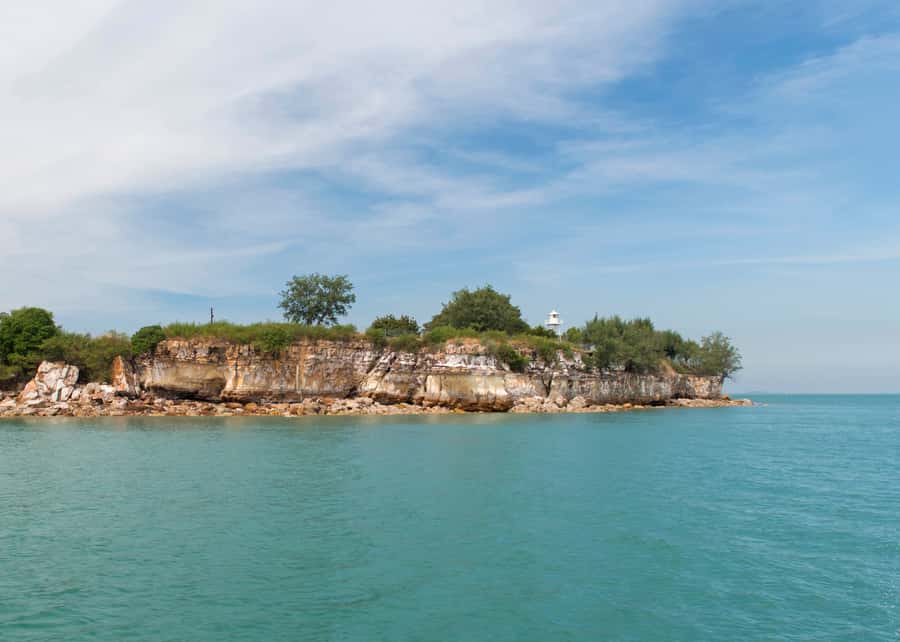
This tour is structured like a guided story, not a random grab-bag of stops. You begin with an introduction to the Bombing of Darwin that sets the scene for what you’ll later see on the ground. It helps a lot that the narration is anchored in local understanding, so the places you visit connect into one timeline rather than separate facts.
I also appreciated the pacing. You’re out early enough to beat some of the heat, but you’re not racing from stop to stop. Several guides on the land and boat segments are known for keeping the commentary clear and focused, which matters when you’re learning something heavy.
One practical thing to note: you’ll be moving through outdoor WWII sites. Comfortable shoes are key, and you’ll want sun protection from the start.
Following the 19 February 1942 timeline on land
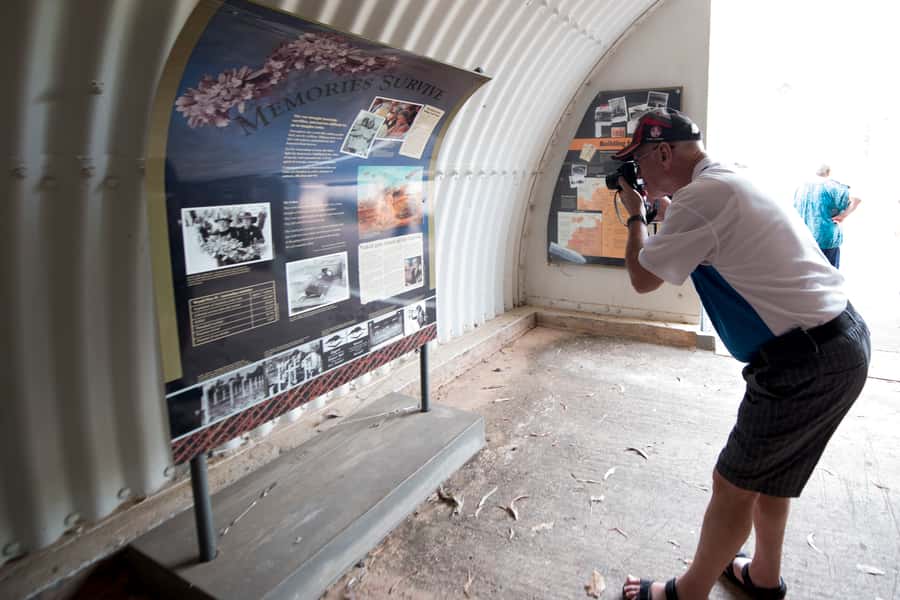
The core land portion is built around the events of 19 February 1942, when Darwin was hit by two Japanese air attacks that killed 243 people and caused major destruction. What makes the day click is that you’re not just hearing numbers—you’re being taken to locations tied to the story, then invited to connect the dots.
After the initial briefing, you head toward the areas affected by the raids. Depending on the day, this can include viewpoints and relevant site areas where the guides explain what happened, who was impacted, and how the city’s defenses shaped what came next. You’ll usually get enough context at each stop to understand why that spot matters, not just what it was.
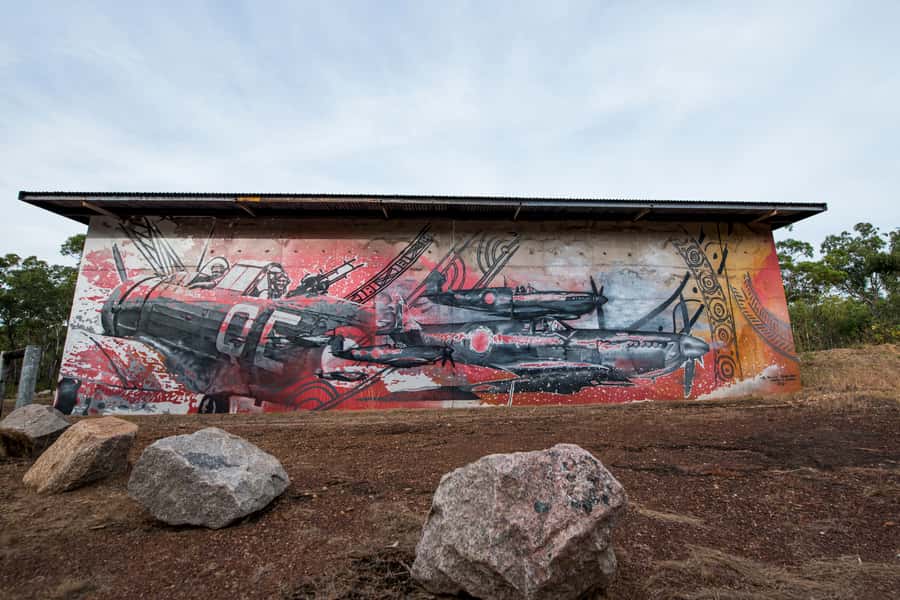
Then the route expands outward toward military remains and defense-era infrastructure. This is where the tour stops feeling like a lecture and starts feeling like “oh, this is right there,” especially once you reach the bunker and relic settings.
Charles Darwin National Park: bunkers and relics you can still see
One of the smartest parts of the itinerary is the inclusion of Charles Darwin National Park. It’s not just scenery; it’s a chance to view WWII remnants in their real setting. You’ll see structures like bunkers and other relic features connected to Darwin’s defense planning.
This is valuable because it changes your brain from museum-mode to place-mode. Instead of thinking of WWII as something in a book, you start understanding how the region’s geography and coastlines influenced where people built protection and what they could realistically defend.
If you’re the kind of person who likes to stand still and absorb, you’ll probably wish you could pause even longer here. The good news: even within the time limit, the stop leaves you with a stronger sense of “how it worked” on the ground.
Defense of Darwin Museum: the film that lands
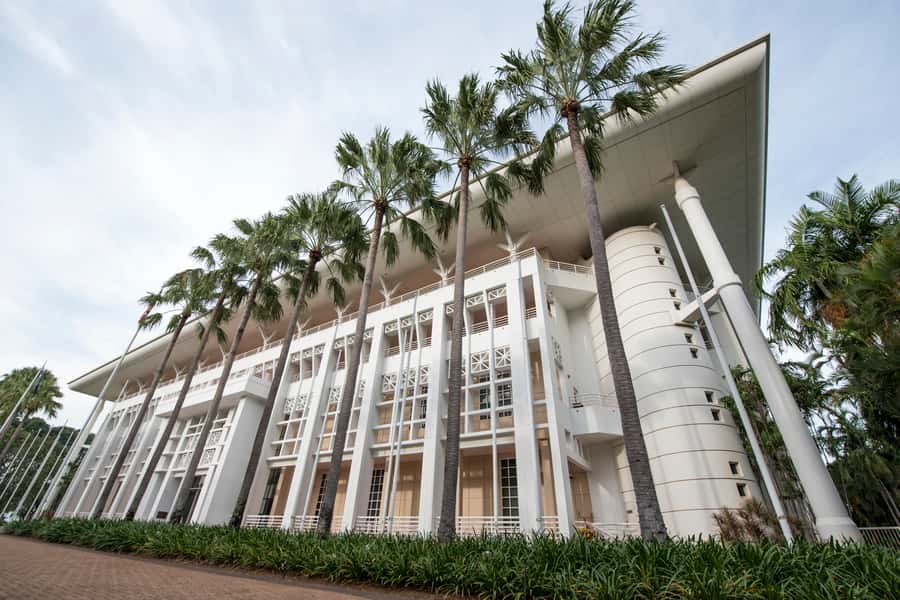
The Defense of Darwin Museum is a highlight for a reason. The museum experience is described as thoughtfully made: you can watch a presentation/film that uses photos and testimony, bringing the bombing period into sharper focus. That mix of visuals and human accounts makes a difference, especially if your WWII knowledge is basic.
You’ll also have time to explore exhibits connected to Darwin’s wartime role, and you’ll leave with a better grasp of how the city changed during and after the attacks. The museum doesn’t just list events; it explains how those events shaped the broader defense picture.
A realistic note on museum time
A couple of people have wished for more minutes in the museum. That’s not a deal-breaker, but it’s worth considering if you want to read every display closely. This tour gives you a solid visit, just not an all-day “museum deep reading” experience.
East Point Military Precinct and Myilly Point Heritage: the defensive footprint
After the museum, you move into the East Point Military Precinct and nearby heritage areas (including Myilly Point Heritage). This is where the tour explains the physical logic of defense—where resources were placed, what kind of areas were controlled, and how the harbor region factored into risk.
I like these stops because they turn the story from “what happened during the bombing” into “how Darwin prepared and responded.” When you see the precincts as a connected system—rather than a single point of impact—you understand why the harbor region was so central.
These areas are also a nice bridge to the cruise part of the day. By the time you step onto the boat, you’ll recognize more surroundings and understand why certain fortifications and sites existed where they did.
Darwin from the water: Stokes Hill, Fort Hill, and wrecks
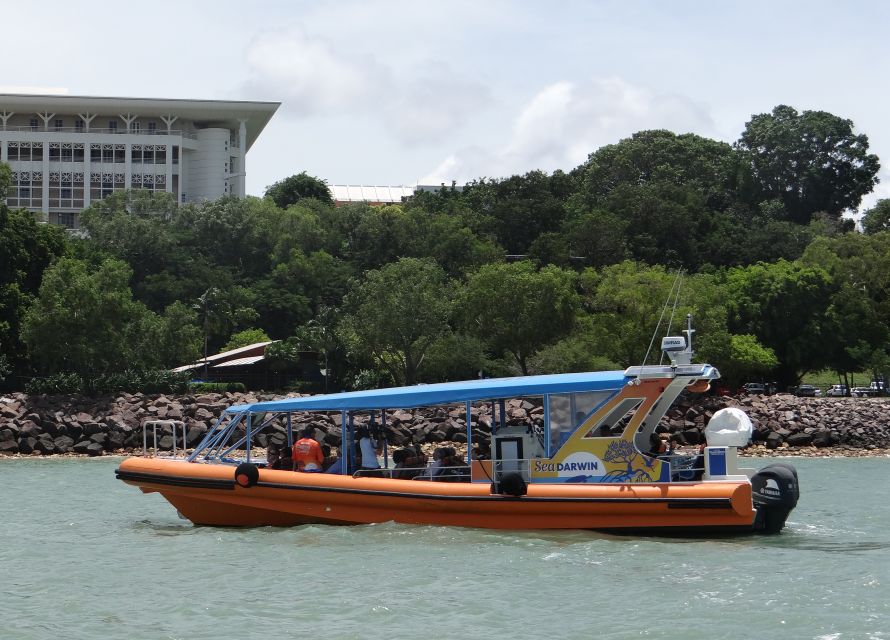
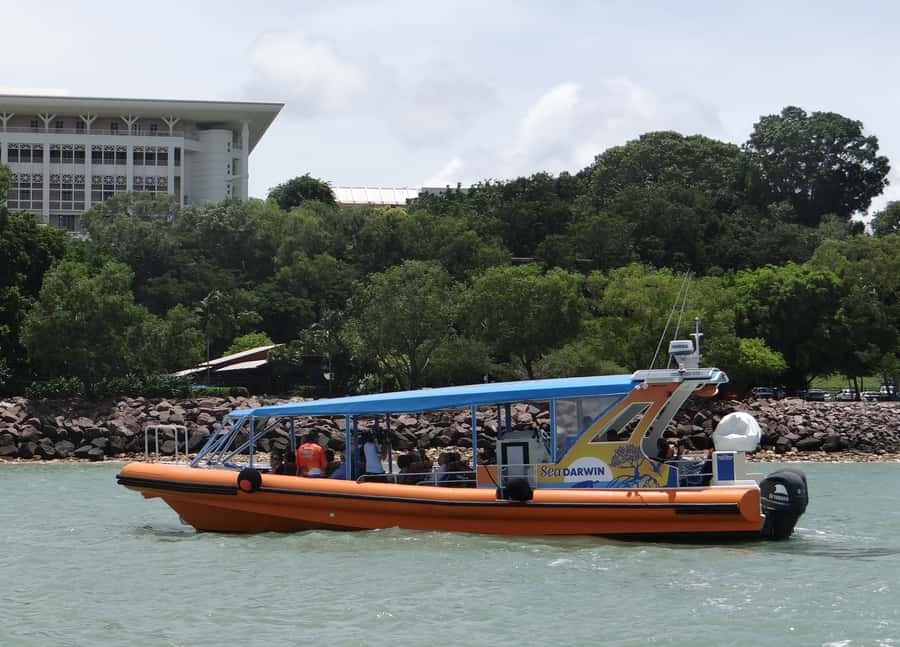
The tour ends with a 1-hour cruise around Darwin Harbor. This is the segment that surprised me the most in a good way, because you stop thinking only in terms of buildings and start thinking in terms of navigation, coastline, and maritime impact.
You’ll pass historic Stokes Hill and Fort Hill wharf areas and sail by the wreck sites of SS Neptuna and USS Peary. Even if you don’t know the technical details of those ships, the cruise framing helps you understand what wrecks represent: wartime consequences that lasted long after the air raids ended.
Other sights during the cruise can include the old flying boat base at Doctors Gully, plus a look toward Cullen Bay where you can see gun emplacements from the water. It’s one more way the tour keeps connecting history to the geography you’re actually seeing.
When water conditions change your view
One practical consideration: harbor viewing can vary with conditions. Low tide or choppy water can affect how close the boat can get to some landmarks. If the sea is rough, the operator may adjust the boarding location to keep things safer and easier. It’s a smart approach, and it also means your experience may feel a little different day to day.
Transport, timing, and what to pack for a smooth morning
Pickup is available from Darwin city hotels, with a lobby wait around 7:45 AM for an 8:00 AM start. If you prefer to meet independently, there’s a listed starting point at the Aquascene Fish Feeding car park on Doctors Gully Road with free unlimited parking.
This schedule matters because it gives you time for both the land and harbor sections without rushing. Still, you’ll be outdoors and in the sun, so don’t treat this like a casual sightseeing walk.
Bring:
- Comfortable shoes (you’ll want stable footing)
- Sun hat and sunscreen
- A water mindset, since drinking water is included
Also, the tour isn’t suitable for wheelchair users, so it’s best to plan around that if mobility is a concern.
Price and value: what you’re really paying for
At $105 per person, you’re paying for more than a bus ride. You’re getting:
- Hotel pickup and drop-off
- Entrances to the WWII-focused museum and related sites (including the relevant park entry)
- A guided harbor cruise (1 hour) with narration
- Drinking water
The value equation here is simple: this tour stacks multiple WWII touchpoints into one half-day. Instead of spending time coordinating separate museum visits, rides, and a boat trip, you get one guided loop that connects the land and water story. If you’re visiting Darwin for a short stay, it’s a strong use of time.
If you’re on a tight budget and only want one specific stop (like just the museum), it might be less cost-effective than you’d like. But if you want the full “Darwin WWII story + harbor context” package, the price is easier to justify.
Who should book this WWII-focused Darwin tour
You should book if you want:
- A structured Bombing of Darwin overview that ties places to events
- WWII history in a form that feels grounded, not just theoretical
- A mix of land sites and a harbor cruise with wreck views
You might skip (or choose something else) if:
- You need a wheelchair-accessible option
- You prefer self-paced museum reading over guided time limits
- You want only one aspect (for example, only the museum or only the cruise)
One more reason I’d nudge you to go: the guides’ style matters here. The land and boat narration is repeatedly described as professional and engaging, with guides like Mariet, Penny, John, Rob, Dave, and others leading different parts. That combination tends to make tough history easier to follow.
Should you book the Darwin Bombing of Darwin tour with harbor cruise?
I think this is a smart booking for most first-timers in Darwin who want WWII history that’s tied to real places. The land portion gives you context and the museum delivers emotional impact through a film/testimony approach. Then the harbor cruise adds a maritime layer, including wreck sightings of SS Neptuna and USS Peary, plus views tied to forts and gun emplacements.
If you’re the kind of traveler who likes to understand how a city worked during wartime—and not just what happened—this tour earns its place on your list.
FAQ
How long is the Darwin Bombing of Darwin tour with harbor cruise?
The total duration is 270 minutes (about 4.5 hours).
What time does the tour start and where is pickup?
Hotel pickup is available in Darwin, with guests asked to wait in the lobby around 7:45 AM for pickup prior to 8:00 AM. You can also meet at 8:00 AM at the Aquascene Fish Feeding car park at 28 Doctors Gully Road.
What does the tour cost?
The price is $105 per person.
What’s included in the price?
Included are hotel pickup and drop-off, drinking water, entrance to Charles Darwin National Park, entrance to the Defense of Darwin Museum, entrance to the Darwin Military Museum, and a 1-hour cruise in Darwin Harbor.
Is food included?
No. Food and drinks are not included.
Is the tour offered in English?
Yes. The live tour guide provides commentary in English.
Can I cancel for a full refund?
Yes. There is free cancellation up to 24 hours in advance for a full refund.
Is the tour wheelchair accessible?
No. It is not suitable for wheelchair users.