REVIEW · DARWIN
Darwin Harbour Cruise
Book on GetYourGuide →Operated by Sea Darwin · Bookable on GetYourGuide
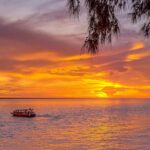
Darwin’s harbour feels different from the water. I love how this cruise mixes tropical nature with clear storytelling that connects Darwin’s past to what’s happening right now. You’ll get up-close views of the coast, plus time on a tidal sandbar when conditions allow.
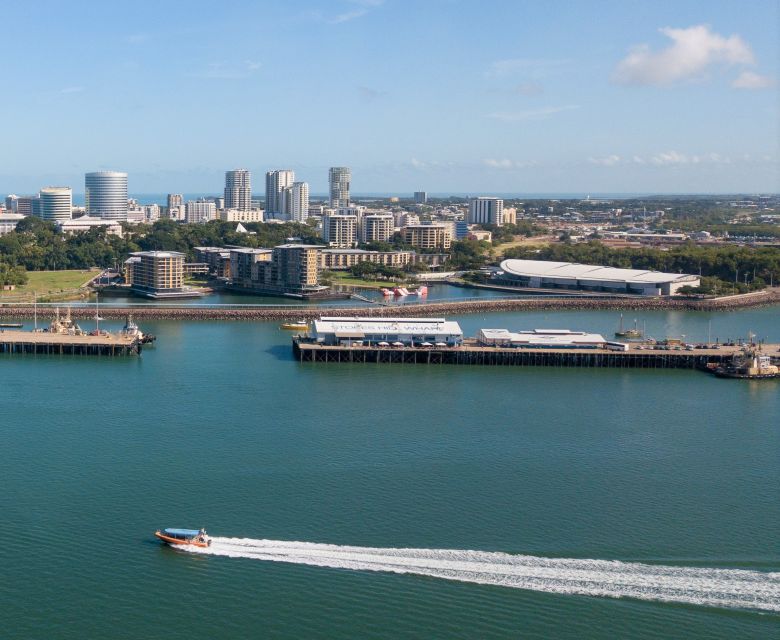
I also like the way the guide keeps the focus on what you can actually see: mangroves, birds and marine life, shipwreck hints under the surface, and key harbour areas like Fisherman’s Wharf. There’s a strong sense of place here, with Larrakia heritage and Darwin’s modern working coastline in the same hour.
One consideration: the cruise is weather- and tide-dependent, and the sandbar visit only happens when tidal conditions permit.
In This Review
- Quick hit highlights you’ll care about
- Hitting the harbour at 7 Stokes Hill Rd (and why 1 hour works)
- Mangroves and the sandbar stop: nature you can actually step on
- WWII shipwreck stories: history told next to real water routes
- Larrakia heritage and Cyclone Tracy: why the stories feel personal
- Fisherman’s Wharf and pearling/fishing: the harbour as a workplace
- Modern defence activity: Coonawarra Navy Base views
- Eco-accredited by Sea Darwin – Sea Tiwi: what that likely means for your experience
- Price and value: $46 for one hour of live commentary and scenery
- What to bring, and what to watch for before you go
- Who this cruise suits best (and who might want something else)
- Should you book the Darwin Harbour Cruise?
- FAQ
- How long is the Darwin Harbour cruise?
- Where do I meet for the tour?
- What’s included in the ticket price?
- What’s not included?
- Is the tour available in English?
- What if weather or tides aren’t good?
Quick hit highlights you’ll care about
- Mangrove waterways or sandbar time depending on tides
- Cyclone Tracy context explained with Darwin’s resilience in mind
- WWII-linked shipwreck stories and wartime harbour history
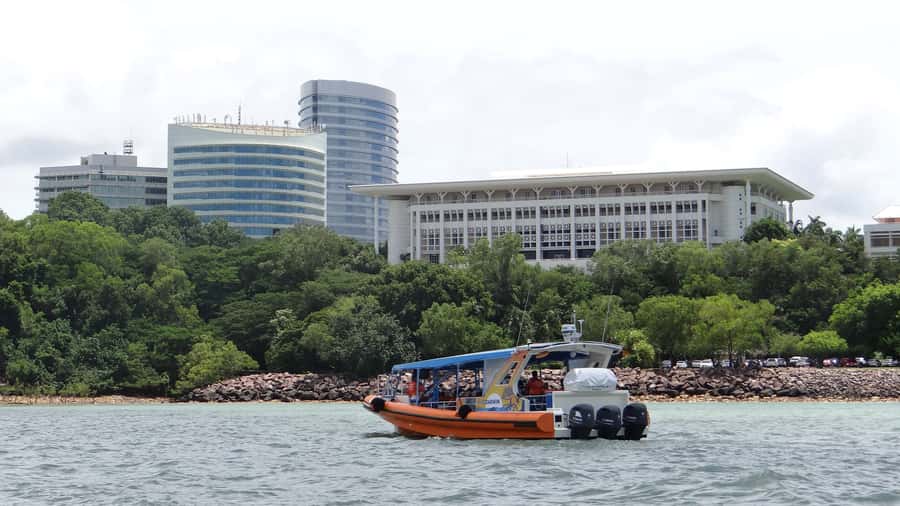
- Views past Fisherman’s Wharf and Darwin’s working fishing and pearling base
- Cruise past Coonawarra Navy Base for a modern defence perspective
Hitting the harbour at 7 Stokes Hill Rd (and why 1 hour works)
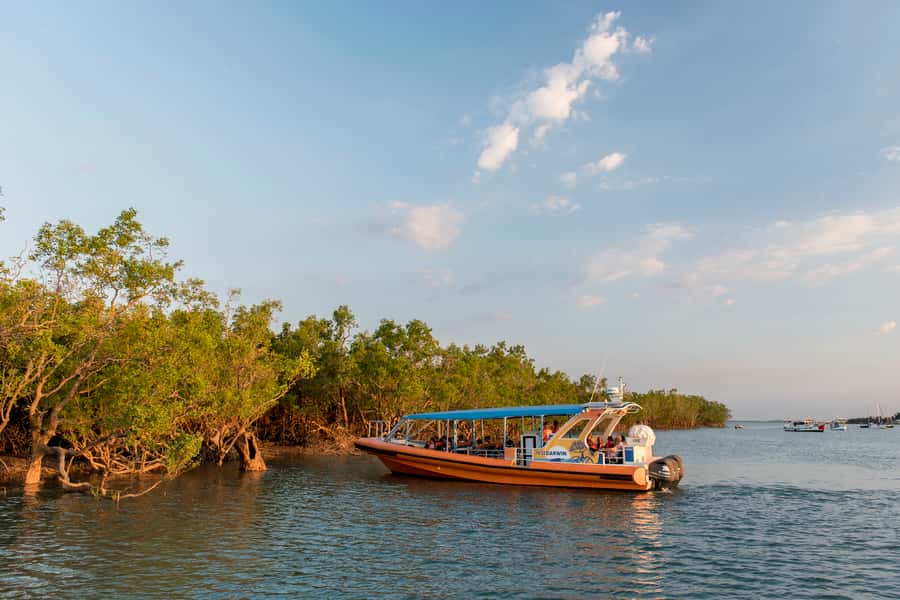
You meet at 7 Stokes Hill Rd. Plan to arrive about 10 minutes early so you’re not rushing when boarding starts. The big advantage of this tour’s format is the length: 1 hour is long enough for real commentary and scenery, but short enough that it fits cleanly into a day of museums, day trips, or just wandering the city.
Doing Darwin Harbour this way is practical. From the land, you mostly see the coastline edges. From the boat, you get a moving vantage point—harbour shapes, water channels, and the way the city faces the sea. It’s also a good choice if you want something relaxing without turning your day into a marathon.
Mangroves and the sandbar stop: nature you can actually step on
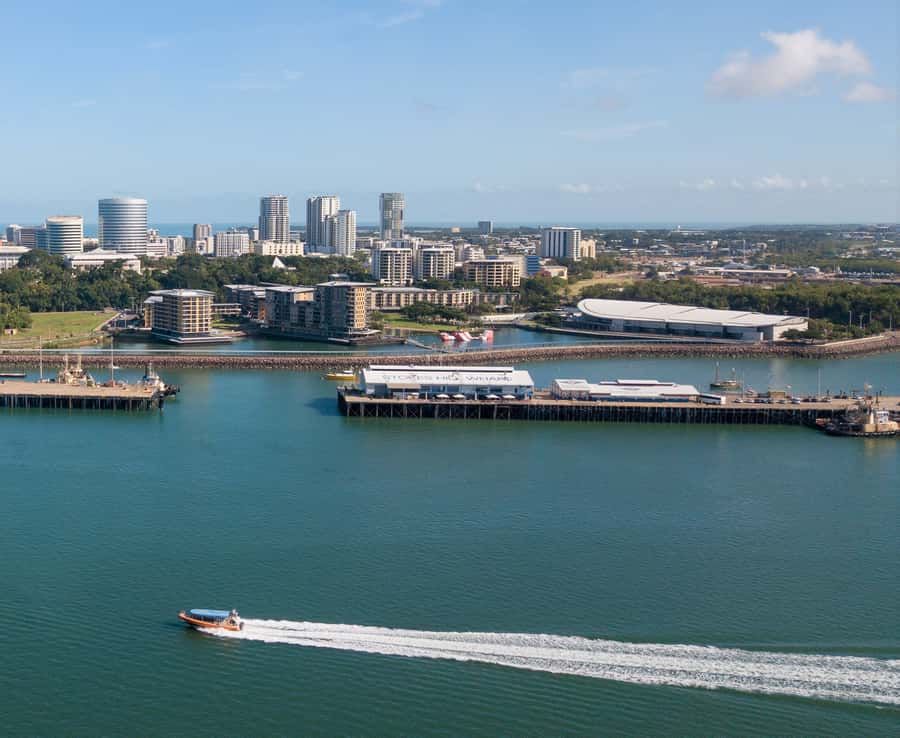
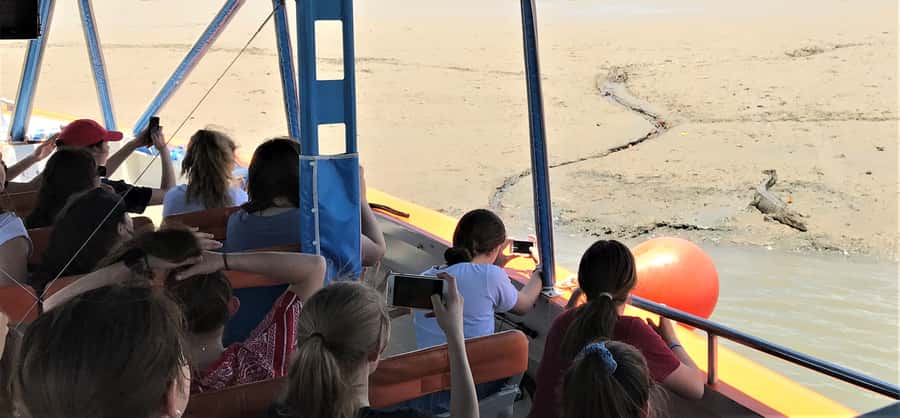
This is the part of the cruise that tends to stick with people, because it’s not just sightseeing—you may be able to step onto a sandbar when the tides allow. The tour is designed around one of two experiences: cruising through a mangrove waterway or visiting the sandbar.
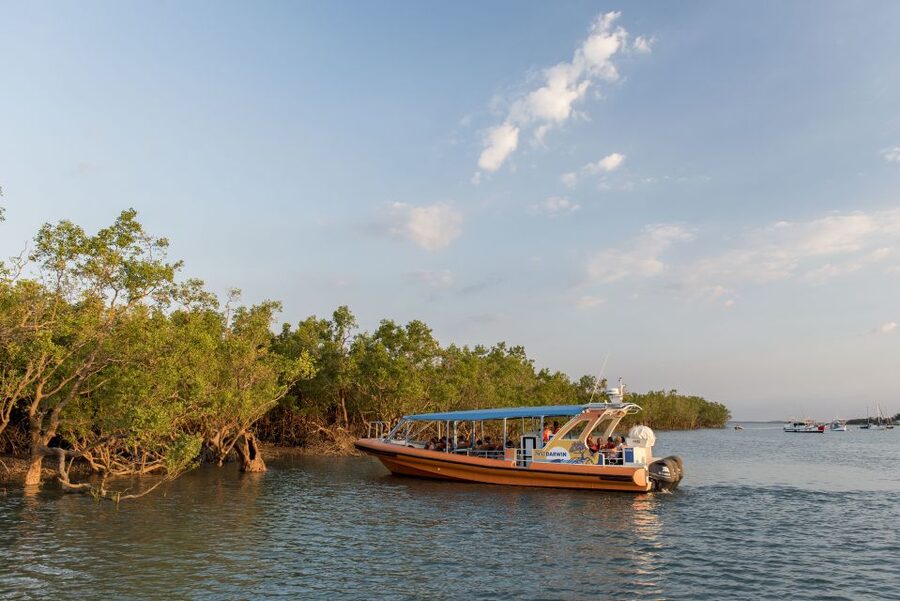
Mangroves matter in a way that’s easy to miss from shore. They’re part habitat, part coastal protection, and they shape how the water moves. On the boat, you can look along the roots and the channels that crisscross the shoreline. If birds or other marine life show up, you’ll have the chance to spot them from a position where they’re easier to see than from land.
If you get the sandbar stop, treat it like a tiny, tide-timed bonus. It’s great for photos because you’re closer to the harbour’s edges, and it gives you a short break from “just looking out the window.” The trade-off is simple: if tides aren’t right, the sandbar may not be possible, so the mangrove waterways become the main nature focus.
WWII shipwreck stories: history told next to real water routes
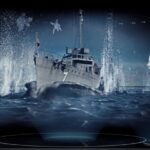
A lot of Darwin’s harbour history is tied to wartime activity, and the cruise leans into that with live commentary about WWII shipwrecks and harbour battles. You won’t be walking through a museum—this is history anchored to the water itself, which is why the stories feel grounded instead of abstract.
You’ll also hear about shipwrecks hidden beneath the surface. The key here is how the guide connects those stories to what you can see: the harbour’s layout, the waterways, and why ships would have been moving where they were. It gives you a new way to think about the harbour—less as scenery and more as a working, dangerous environment during the war.
Just keep your expectations realistic. You’re not touring a dive site here, and you’re not going to see a labelled wreck with signage. What you get is the context and intrigue—enough to make later harbour walks or viewpoints feel smarter.
Larrakia heritage and Cyclone Tracy: why the stories feel personal
This cruise doesn’t treat heritage like a footnote. You’ll learn about the Larrakia people and Darwin’s connection to this water, plus stories of the harbour’s role in both everyday life and major events. That cultural framing matters because the harbour isn’t just a backdrop—it’s a place with meaning.
Then comes Cyclone Tracy. The tour explains the impact of the cyclone and Darwin’s resilience afterward. Hearing it from the water adds weight. You can look at the same coastline that was affected and think about how quickly a city can change—and how it rebuilds.
This is one of those experiences where the commentary drives the emotional tone. Without it, you’d just be watching waves and coastlines. With it, the cruise becomes a timeline in motion.
Fisherman’s Wharf and pearling/fishing: the harbour as a workplace
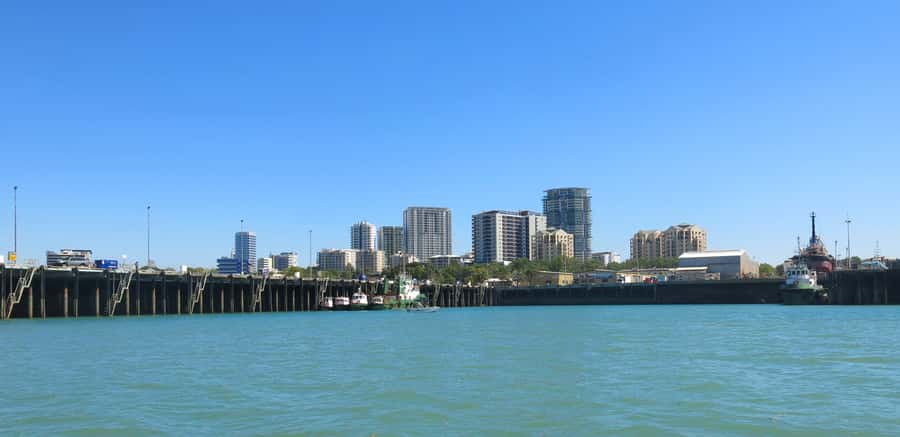
One of the strongest “you’re seeing the real Darwin” moments is the focus on Fisherman’s Wharf, where the Top End pearling and fishing fleet base operates. The cruise passes key harbour areas and ties them to the industries that have long shaped the region.
This matters for value because it prevents the tour from becoming generic. Darwin Harbour isn’t only about nature and history—it’s also about boats, work, and logistics. You’ll hear and learn about Darwin’s modern-day industrial activity and why the harbour is still a gateway to the world.
If you like travel that feels lived-in—places where something is actually happening—this part will land well. It helps you picture how the harbour supports daily work, not just tourism.
Modern defence activity: Coonawarra Navy Base views
Another moment that gives the cruise a current-day angle is the Defence activity. You’ll get a cruise past Coonawarra Navy Base. Even if you’re not a military history fan, seeing how the harbour supports modern operations changes the whole feel of the water.
This is the balance this tour aims for: past and present in one loop. It also gives you a better appreciation for how Darwin’s geography supports both civilian life and defence needs.
Eco-accredited by Sea Darwin – Sea Tiwi: what that likely means for your experience
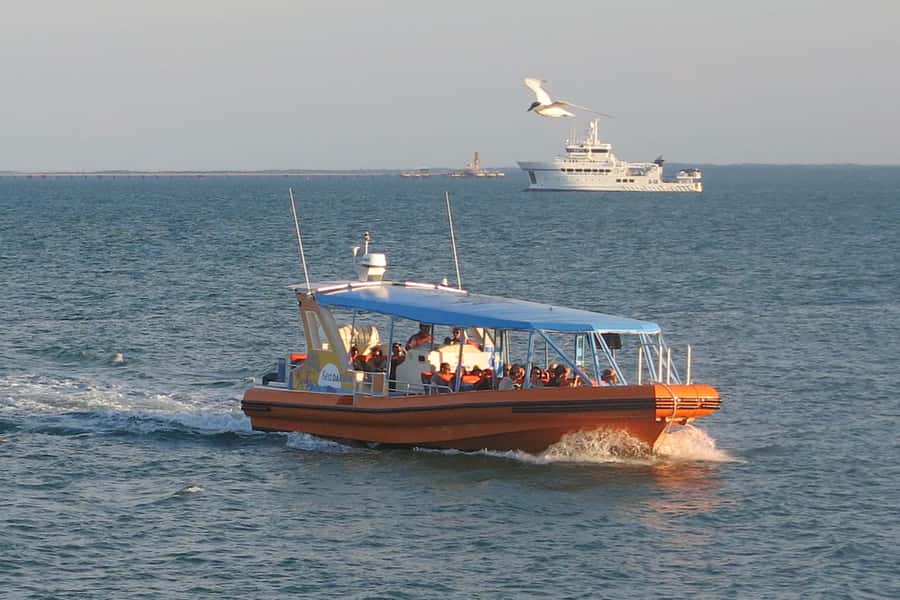
The cruise is operated by Sea Darwin under the Sea Tiwi program, an initiative of Tiwi Enterprises. It’s also described as eco-accredited and focused on cultural respect and storytelling.
You can’t measure “respect” from a brochure, but you can judge whether it shows up in how the guide speaks and how the tour handles heritage and place. In this case, the tour’s emphasis on Larrakia heritage and the way it connects stories to what you’re seeing suggests a more thoughtful approach than a straight sightseeing run.
From a practical standpoint, eco-accreditation often correlates with a guide who cares about marine habitat, birdlife, and responsible viewing. If mangroves and the sandbar are part of your plan, that kind of guidance usually improves the experience.
Price and value: $46 for one hour of live commentary and scenery
At $46 per person for 1 hour, this cruise is priced like a serious add-on, not a quick filler. The value comes from what’s included: live commentary, a harbour introduction covering both historical and contemporary activity, and time cruising around Darwin’s seascape. When tides are right, you also get the sandbar stop.
Here’s how I’d think about the cost. If you’re already spending time in Darwin Harbour areas, this gives you a different vantage point for a relatively short commitment. It also covers multiple themes—nature, WWII stories, Cyclone Tracy, fishing/pearling, and modern defence—without you having to plan a multi-part day.
What’s not included is food and drinks, so you’ll want to handle meals separately. If you’d otherwise pay for multiple activities to cover similar ground, this starts to look like good value for a compact itinerary.
Also, the tour is described as highly rated for comfort and transport quality, with 100% perfect scores in one summary. That matters on a short cruise: if the boat experience is smooth, the whole hour feels effortless.
What to bring, and what to watch for before you go
You only need a few basics. Wear comfortable shoes and bring comfortable clothes. Since there’s a chance to step onto the sandbar when tides allow, footwear matters more than you might expect. Arrive at the meeting point early so you can settle before departure.
Two operational realities to plan around:
- The experience is subject to minimum numbers.
- It depends on favourable weather conditions.
That means you should treat it like a booking you’ll want to have a backup option for if you have a very strict schedule.
Who this cruise suits best (and who might want something else)
This Darwin Harbour cruise fits best if you want:
- A short, story-driven experience instead of a long day tour
- Live commentary that connects nature to history and current industry
- A chance to see mangroves up close and possibly step on the sandbar
- A mix of heritage (Larrakia) and modern context (working harbour and defence)
It’s also a good fit if you’re travelling with people who don’t want to “train” their way through a full-day itinerary. One hour is easy to sell to almost anyone.
If you’re the type who needs hands-on activities every minute, this won’t be that. It’s sightseeing and storytelling, with one optional landing when tides permit.
Should you book the Darwin Harbour Cruise?
Yes, if you’re in Darwin and want a smart, time-friendly way to understand the harbour. The biggest reasons to book are the live commentary, the mix of Cyclone Tracy and WWII-linked stories, and the chance to experience the mangrove ecosystem—plus the possibility of sandbar time for photos.
Skip it only if you hate weather/tide variability or you’re already getting enough harbour views from shore without wanting narration. Otherwise, this is the kind of activity that makes the rest of your Darwin time feel more informed. Book it early in your trip if you can, so its stories change how you see the city afterward.
FAQ
How long is the Darwin Harbour cruise?
The cruise runs for 1 hour.
Where do I meet for the tour?
You meet at 7 Stokes Hill Rd. Aim to arrive about 10 minutes prior to departure.
What’s included in the ticket price?
It includes live commentary, a general introduction to harbour activities (historical and contemporary), and cruising around Darwin Harbour’s seascape. When tidal conditions permit, you can also visit the sandbar.
What’s not included?
The tour ticket does not include food and drinks, and there’s no hotel pickup or drop-off.
Is the tour available in English?
Yes. The live tour guide and commentary are in English.
What if weather or tides aren’t good?
The cruise is subject to minimum numbers and favourable weather conditions. Also, the sandbar visit only happens when tidal conditions permit.