REVIEW · DARWIN
Discover Darwin Harbour 1 hour Darwin Harbour Cruise
Book on Viator →Operated by Sea Darwin-Sea Tiwi · Bookable on Viator
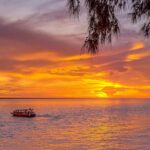
Darwin Harbour tells stories from the water. This one-hour cruise with Sea Darwin Sea Tiwi gives you a working-harbour perspective, from Larrakia connections to wartime damage, with plenty of wildlife spotting along the way. You’ll also learn how later eras shaped the harbor, including the 1970s hippie movement.
I love two things most. First, the live commentary is fast, funny, and detailed, with guides like Alan and Rob sharing defence and bombing history in a way that doesn’t drag. Second, you get a real mix of harbour landscapes—mangrove waterways, shipwreck history, and modern boat traffic—so you aren’t just watching the same view go by.
One thing to consider: the ride can be windy, and the schedule is tight. If you’re sensitive to choppy water or prefer a slower pace, you may want to pick seats a bit back from the front and plan for sun and wind.
In This Review
- Key points to know before you go
- One hour that actually gives you bearings
- Meeting at Stokes Hill Rd: simple start, easy end
- What the captain covers: from Larrakia ties to World War II
- Mangroves and habitats: the wildlife lesson you can see
- The shipwreck and the telegraph cable: two sudden left turns in the story
- Crocodile trap visit: what it is and how to use it
- Comfort on choppy days: what to bring and where to sit
- Price and value: about €38.58 for an hour with context
- What I think is the best fit
- Who’s running the show: the delivery matters
- Should you book the Discover Darwin Harbour cruise?
- FAQ
- How long is the Darwin Harbour cruise?
- Where does the tour start?
- Is food included in the price?
- What’s included on the tour?
- Do I need good weather for this experience?
- How big is the group?
Key points to know before you go
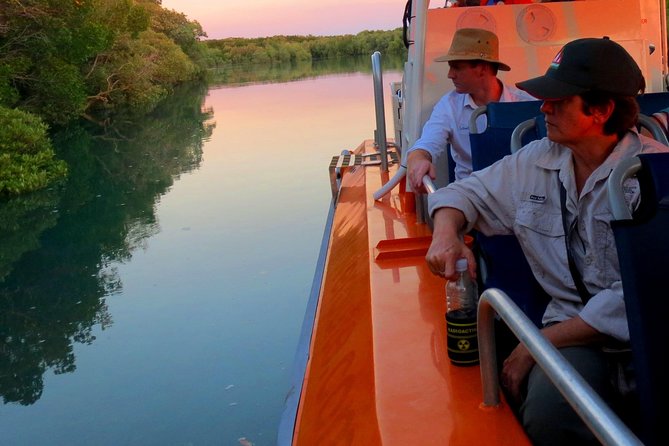
- Live narration that links history to what you see today, not just facts on a page
- Mangroves, a shipwreck site, and the telegraph-cable story in a single hour
- Crocodile trap visit included, with a strong chance to spot crocs from a safe distance
- Small-group feel on a boat that holds up to 32 people
- Comfort and safety focus, even on rougher days
- Good value for a short tour when you want Darwin context without spending all day
One hour that actually gives you bearings
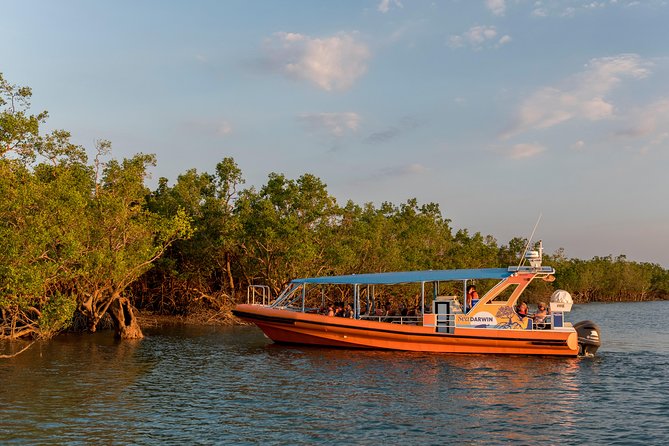
A harbour cruise sounds simple. But in Darwin, it helps that the city’s water is not a backdrop—it’s the job site. One hour is short enough that you can fit it into almost any day, yet long enough for the captain to trace how the harbour functions and why it looks the way it does.
The timing also matters. You’ll learn enough about the port’s role in defence, trade, and survival that the next time you see cranes, docks, or seawalls on land, the meaning clicks. It’s the kind of orientation that makes the rest of your trip easier.
And yes, you’ll keep your eyes moving. This is a “look left, look right” cruise: birds first, then the waterline, then the mangroves, then the wider channel with boat traffic.
Meeting at Stokes Hill Rd: simple start, easy end
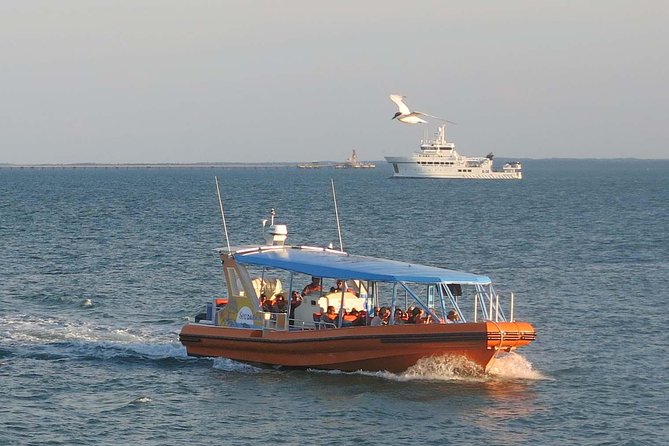
The tour starts at 45 Stokes Hill Rd, Darwin City. It runs back to the same spot, so you don’t have to worry about getting stranded across town after you hop off.
It’s also close to public transport, which is handy if you’re not renting a car. You’ll want to arrive a bit early so you can settle in before the boat heads out.
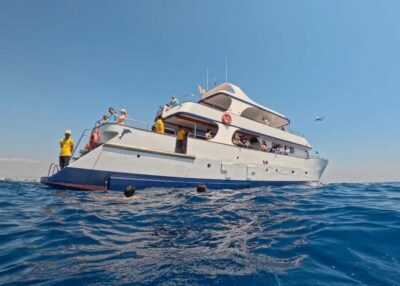
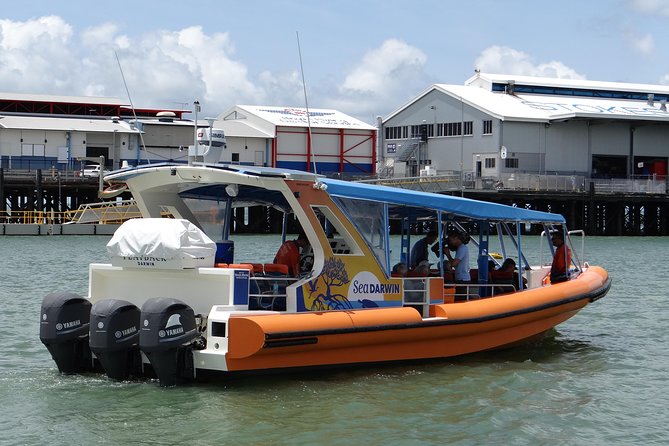
The cruise itself is on Sea Darwin Sea Tiwi, a small, comfortable vessel designed for harbour sightseeing. Based on onboard feedback, people like the shade and the way the boat feels controlled and clean.
What the captain covers: from Larrakia ties to World War II
This cruise tells Darwin Harbour’s story as a working place that keeps changing. You’ll hear how Indigenous people used the harbour long before modern ports existed, with a special focus on the Larrakia people and their deep connection to this water.
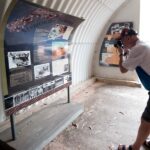
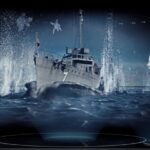
Then the narration shifts into the era when harbour activity turned into survival and defence. Expect World War II context, including the bombing of Darwin, and how war reshaped infrastructure and thinking around the harbour. The telling style is part of why people recommend it—there’s top-end humour mixed with serious material.
Later, you’ll also hear about other cultural waves, including the 1970s hippie movement, which helps explain why the harbour isn’t only about war and shipping. It’s also about people using the water to live, move, and find community.
Mangroves and habitats: the wildlife lesson you can see
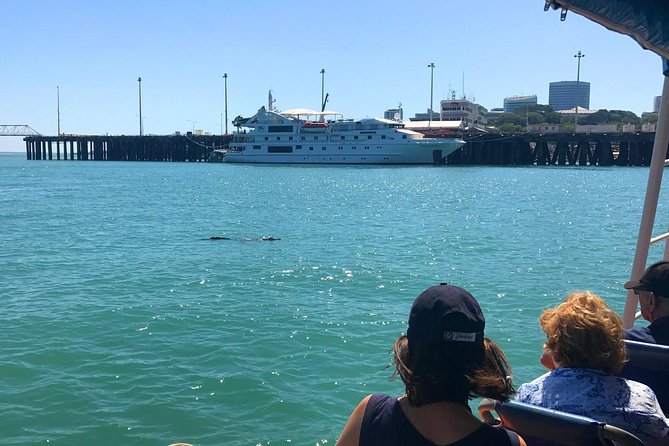
If you come to Darwin chasing animals, this cruise is a good warm-up. You’re going through areas where different species make use of the harbour’s sheltered spaces—especially the mangrove waterway portion of the route.
That matters because mangroves aren’t decorative. They’re feeding and shelter zones. On this cruise, you’re encouraged to watch for birds and sea life in the water and along the edges of the habitat.
Onboard, you’ll also be hunting for the harbour’s most famous local resident: crocodiles. You’re not going to get close like in a theme park. Instead, the point is learning what makes crocs fit this environment and where you might reasonably spot them from the boat.
A good rule: bring your eyes, not your expectations. On a one-hour run, your best strategy is to look for motion and quick changes—birds dipping, water ripples, and the occasional shape near the shoreline.
The shipwreck and the telegraph cable: two sudden left turns in the story
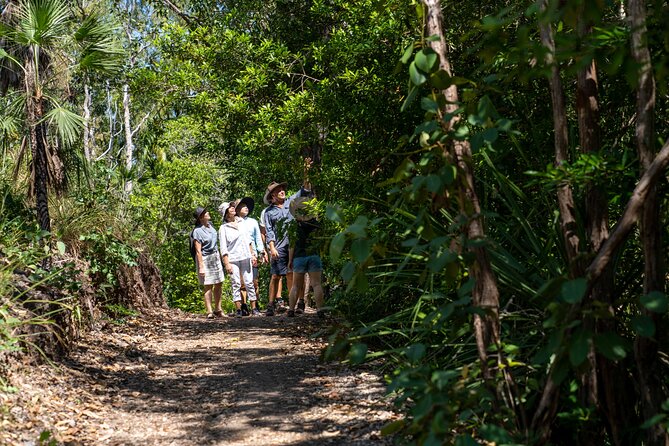
One of the most interesting parts of this tour is how it interrupts the “current day” view with older moments that still show up in the geography.
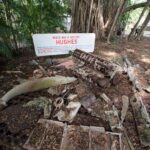
You’ll visit a shipwreck site, described as part of the harbour’s layered past. Even if you don’t see a dramatic structure from every angle, the narration helps you connect where wrecks happen, why they matter, and how the harbour’s hazards shaped shipping history.
Then you’ll hear about the historic telegraph cable from England reaching Australia. That part is surprisingly relevant: it explains how information moved, and how the harbour sat in the network of communication long before today’s digital speed.
These stops work because they connect physical spots (where the harbour “was” at a point in time) to the lived reality (how people depended on maritime links).
Crocodile trap visit: what it is and how to use it
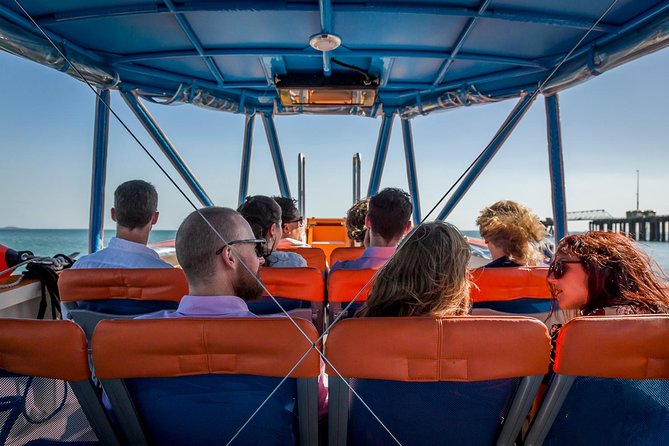
The tour includes a visit to a Crocodile Trap. This is one of those inclusions that adds meaning. It’s not only about spotting animals; it’s about managing risks in a place where crocs live alongside human activity.
What I like about this style of stop is that it puts crocs into a real-world context. You learn that harbour management isn’t a random tourist attraction—it’s tied to safety, local routines, and ongoing decisions made for people living and working nearby.
A quick practical note: keep your expectations realistic. Even if you’re focused on crocs, the trap visit is primarily about how humans respond to the presence of crocs, not about guaranteed sightings.
Comfort on choppy days: what to bring and where to sit
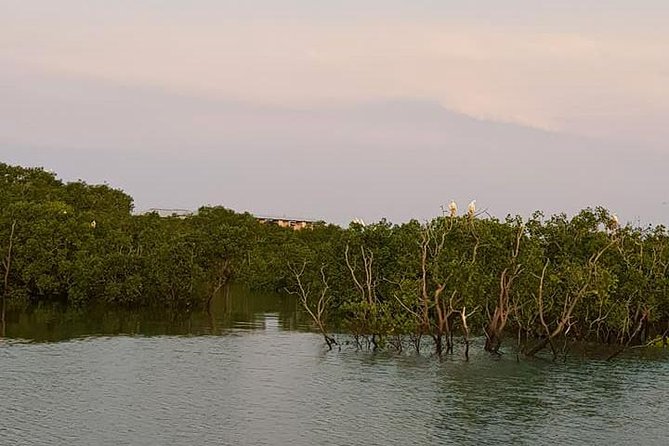
Darwin weather can shift. The cruise is weather dependent, and it can get windy out on the harbour. That’s not a reason to skip it—it’s a reason to plan for it.
Bring sunscreen and a hat. Wear breathable clothes, but plan for wind chill if you tend to get cold. If you’re prone to motion discomfort, choose seats a bit back rather than the very front, since that’s where you’ll feel more movement.
The good news: the boat is set up for comfort, and safety is a clear priority. People have praised the vessel as comfortable, clean, and well handled even when conditions weren’t perfect.
Price and value: about €38.58 for an hour with context
At €38.58 per person for about one hour, this cruise is priced for people who want strong value without a full-day commitment.
What makes it feel worth it is the mix of elements you don’t usually get together. You’re paying for:
- the harbour cruise itself
- live onboard commentary
- a local guide
- a crocodile trap visit
- time on the water that connects modern harbour function to older events like WWII and major harbour history
Also, the small max size (up to 32 people) helps the ride feel less like mass transit. You’re not stuck listening to a speaker through chaos.
Food and drinks are not included, but you can buy drinks onboard. That keeps the tour simple—no long breaks, no extra pricing for meals you may not want.
What I think is the best fit
This is a great choice if you want a short Darwin activity that still adds depth. It’s especially good on arrival day or right after you’ve settled into town, when you want a quick mental map of the harbour and the events that shaped it.
It’s also a strong match for:
- people who like their history tied to physical places
- anyone who wants wildlife chances without doing a long tour
- families who prefer an hour on the water instead of a full-day outing (children must be with an adult)
If you’re very sensitive to wind or you strongly prefer longer routes with more stops, you might wish the cruise ran longer. One drawback that comes up is that the pace can feel a bit rushed when you want more time at each location.
Who’s running the show: the delivery matters
The experience depends a lot on the captain and guide style, and that’s where this cruise really earns its high marks. You’ll hear humour along with facts, and guides like Alan and Rob set a tone that keeps the stories moving.
That matters because Darwin Harbour’s history spans huge topics—Indigenous ties, war, cyclone resilience, maritime technology, and cultural shifts. When it’s told well, it feels like a coherent story instead of a list.
The “small boat” feel also helps. You’re close enough to the action that the narration feels tied to what you can actually see.
Should you book the Discover Darwin Harbour cruise?
I’d book it if you want a quick, high-value orientation to Darwin Harbour that blends wildlife watching and real history in a way that’s easy to enjoy. The one-hour format is the deal: you get a lot of meaning without a long time commitment.
Skip it only if you know you’ll struggle with windy, exposed conditions or if you only like tours with more time in fewer locations. In that case, look for something longer.
One last tip: pack for sun and wind, and go in ready to watch the water. Darwin Harbour gives you the best results when you’re active with your eyes, not just seated politely.
FAQ
How long is the Darwin Harbour cruise?
The cruise runs for about 1 hour.
Where does the tour start?
You meet at 45 Stokes Hill Rd, Darwin City NT 0800, Australia, and the tour ends back at the same meeting point.
Is food included in the price?
No. Food and drinks are not included, though you can purchase refreshments onboard.
What’s included on the tour?
Included items are the harbour cruise, live commentary on board, a local guide, and a visit to a Crocodile Trap.
Do I need good weather for this experience?
Yes. The experience requires good weather. If it’s cancelled due to poor weather, you’ll be offered a different date or a full refund.
How big is the group?
The tour has a maximum of 32 travelers.