REVIEW · DARWIN
Darwin Combo: The Bombing of Darwin Experience & Darwin Harbour Cruise
Book on Viator →Operated by Sea Darwin-Sea Tiwi · Bookable on Viator
Darwin’s harbor turns WWII into a living lesson. This combo pairs a one-hour Bombing of Darwin cruise with the Royal Flying Doctor Service (RFDS) VR and holographic presentation, all based around Stokes Hill Wharf. I like that it’s simple to use and easy to fit into a travel day.
Two things I really appreciate: you get a boat ride that points out real places tied to the February 1942 raids (wreck sites like the SS Neptuna and USS Peary, plus HMAS Coonawarra and the Emery Point gun emplacement), and then you follow that with VR-style storytelling in a single, well-connected stop at the RFDS Tourist Facility. One thing to keep in mind is the cruise needs good weather, so have a flexible mindset if conditions are rough.
In This Review
- Key things that make the Darwin Combo worth your time
- Why This Darwin WWII Combo Fits Real Travel Days
- Starting at Sea Tiwi and Getting Your Bearings Fast
- The One-Hour Harbor Cruise: WWII Landmarks You’ll Track in Real Time
- The RFDS Tourist Facility: VR and Holographic WWII Storytelling
- How Long It Takes (and How to Plan Your Day Around It)
- Price and Value: What You’re Actually Paying For at $60.97
- Who This Tour Best Suits (and Who Might Want Something Different)
- Final Call: Should You Book the Darwin Combo?
- FAQ
- What’s included in the Darwin Combo?
- How long does the tour take?
- Where does the tour start and end?
- Do I need a paper ticket?
- Is this suitable for children?
- What WWII locations are covered on the cruise?
- What happens if weather is bad?
- Is hotel pickup included?
Key things that make the Darwin Combo worth your time
- Stokes Hill Wharf is the hub: no long walking between the cruise and the RFDS facility.
- WWII sites you can actually see from the water: SS Neptuna, USS Peary, Doctors Gully, Pearling Luggers, oil tanks.
- RFDS VR + holographic shows: story-driven technology that helps you picture the air raids.
- Family-friendly pacing: the format works for kids, with children accompanied by an adult.
- Small group size: capped at 30 travelers, which helps with commentary flow.
- Quick-to-plan day: a 2 to 4 hour window makes it realistic between flights or other activities.
Why This Darwin WWII Combo Fits Real Travel Days
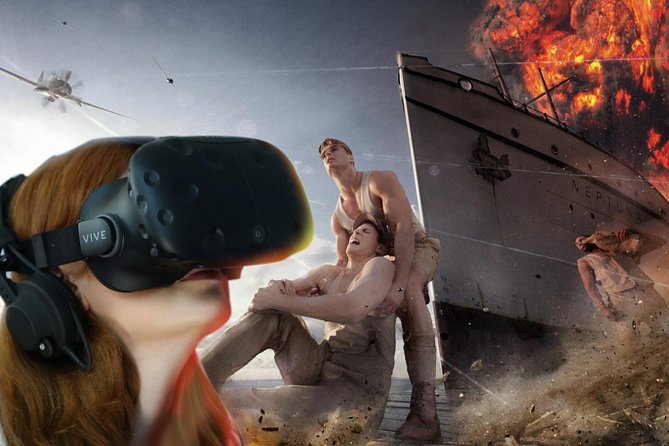
If your Darwin schedule is tight, this is the kind of activity that makes sense. You’re not hopping across town. You’re starting at Sea Tiwi Dock 2 at Stokes Hill Wharf, then spending your time in one compact waterfront area—first on the boat, then inside the RFDS Tourist Facility.
The core idea is smart: see the harbor locations tied to the bombing first, then let the RFDS screens and VR help you connect the dots. That order matters. When you’ve just been looking at the waterline and the surrounding landmarks, the on-site VR experience lands better because your brain already has a map.
At $60.97 per person, it isn’t the cheapest thing in town—but it’s also not priced like a long, multi-hour expedition. You’re paying for two distinct experiences bundled together: a guided harbor cruise (with narration tied to WWII targets and wreck sites) and entry to a high-tech VR/hologram presentation at RFDS. In practice, that can work out as better value than trying to line up two separate activities on different days.
This tour also feels built for families. The format is active—boat, then interactive exhibits—rather than a slow museum-only experience. Just remember the rule that children must be accompanied by an adult.
Starting at Sea Tiwi and Getting Your Bearings Fast
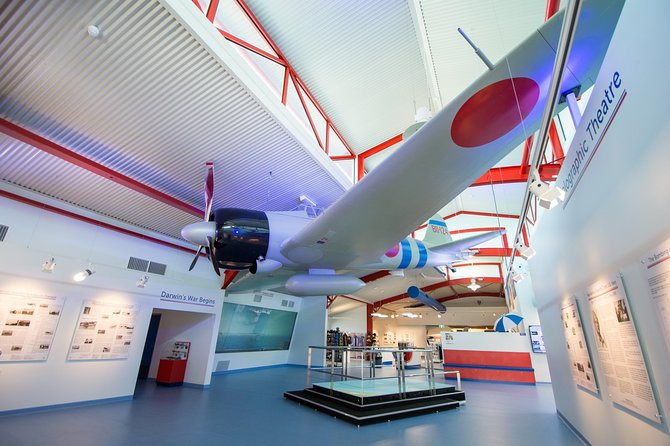
The meeting point is easy: Sea Tiwi, Dock 2, Stokes Hill Wharf, Darwin City. The tour ends back at the same meeting point, which means you don’t need to plan a separate transfer to get back to your hotel, your next stop, or the airport.
The “no long walk” part is more than convenience. When you’re crisscrossing a city, you waste time and energy waiting between locations. Here, the cruise and RFDS stop share the same central waterfront base, so you can actually enjoy the experience instead of squeezing it between logistics.
The tour uses mobile tickets, so you don’t need to hunt down paper. Download it to your phone and you’re good. That matters in Darwin where you might move quickly between activities and you don’t want ticket hassle mid-day.
And because the group size has a maximum of 30 travelers, you’re less likely to feel like you’re part of a chaotic crowd. You still get the social vibe of a shared tour, but you’re not stuck in an oversold situation where you can’t hear the guide.
The One-Hour Harbor Cruise: WWII Landmarks You’ll Track in Real Time
This is the “story living” portion, and the timing is a big part of why it works. You’re out on the water long enough to get context and visuals, without it turning into an all-day commitment.
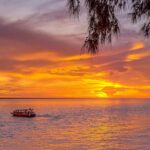
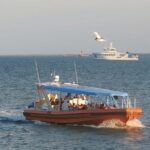
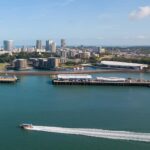
From Stokes Hill Wharf, the cruise takes in the wharf-side areas tied to Darwin’s wartime life and the specific places connected to the raid stories. Expect commentary that connects what you see to what happened in and around the harbor during World War II.
Here are the key sights you should mentally tag as you cruise:
- Pearling Luggers and the working harbor environment: this helps you understand Darwin’s maritime heartbeat before the bombs.
- Oil tanks around the harbor: a reminder that the raids weren’t just about people, but about logistics and infrastructure.
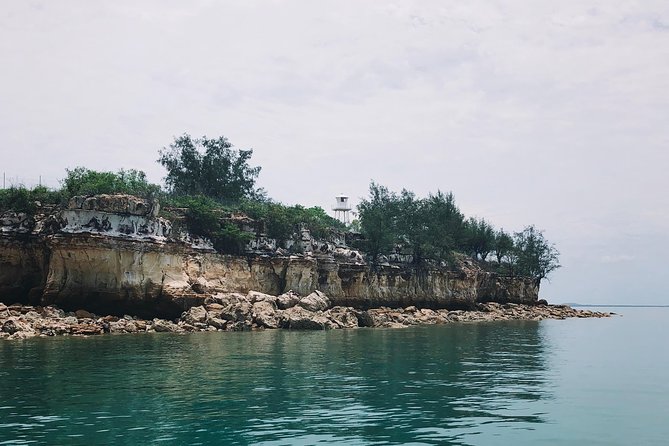
- Wreck sites including the SS Neptuna and USS Peary: seeing wreck locations turns history into something you can point to with your eyes.
- Doctors Gully, tied to the old flying boat base: it brings aviation into the story in a way that feels local.
- HMAS Coonawarra: you’ll pass it as part of the harbor’s wartime footprint.
- Emery Point gun emplacement: a concrete, place-based clue that defenses were part of daily harbor reality.
One practical tip: try to look past the water and notice the “why” behind the shoreline. The guide’s narration is set up to help you connect the dots between harbor geography and raid impact. If you sit there trying to take in everything at once, you’ll still have a good time—but you’ll get a bigger payoff if you watch for the named landmarks and let them anchor your understanding.
If the day cooperates, this cruise can also deliver small perks that make it feel less like a textbook. I’ve seen people mention a lively ride experience and even dolphin sightings as a bonus, which is exactly the kind of “real world” payoff you want on a history tour.
The RFDS Tourist Facility: VR and Holographic WWII Storytelling
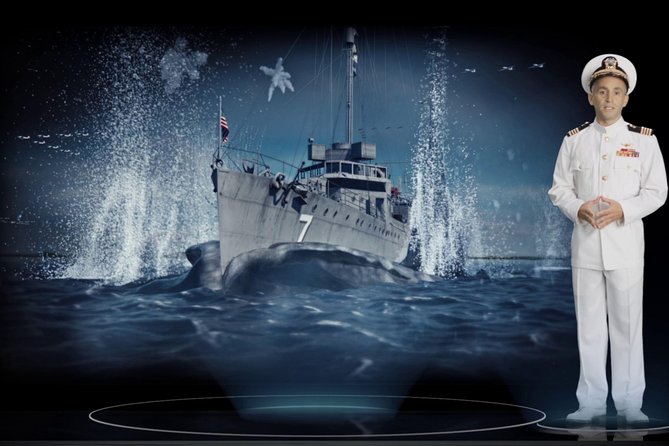
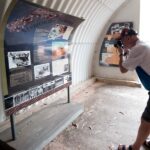
After the boat, you shift to the RFDS Darwin Tourist Facility, where the presentation brings the bombing story into a more interactive format. This isn’t just a room of artifacts. The facility is built around tech-forward storytelling, including VR and holographic-style shows.
What makes this stop valuable is that it’s designed to help you understand the events, not just memorize them. When the harbor cruise gives you place and location, the RFDS experience adds sequence, atmosphere, and emotional clarity.
People often call out two things here:
- The VR format helps make the bombing feel immediate and visual.
- The exhibits use light, sound, and interactive elements to keep you engaged without needing specialist knowledge.
You’ll likely notice references to an interactive segment tied to the bombing story—one of those parts that makes the content feel structured, like a short film you can experience rather than just watch.
The facility also works well as a family stop. Kids can handle the experience because it’s not a long, sit-still lecture. Adults can appreciate it too, especially if you like history that explains what it means rather than only listing facts.
A fair caution: the physical museum space can feel small to some people, so if you’re expecting a giant walk-through of WWII artifacts only, your expectations might need adjusting. The trade-off is that the tech storytelling does a lot of the heavy lifting.
How Long It Takes (and How to Plan Your Day Around It)
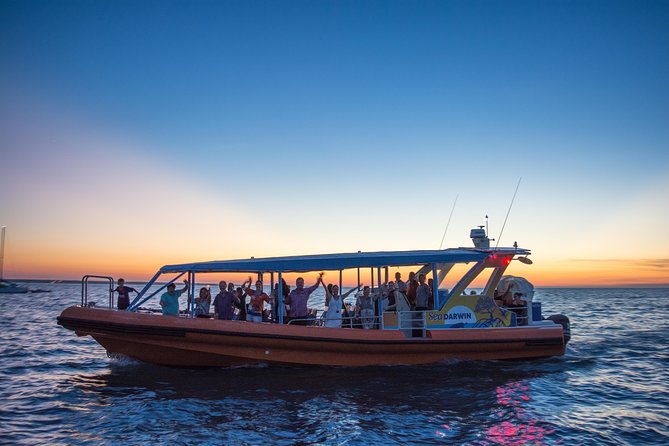
The total combo runs about 2 to 4 hours. In practice, that’s usually enough time to do something else in Darwin that same day, as long as you keep buffers.
The cruise portion is around one hour, and the RFDS stop takes additional time inside the facility. If you’re the type who likes to look around at displays (even beyond the main presentation), give yourself extra minutes rather than assuming you’ll rush through.
The tour is also described as flexible for timing between the two components. That’s a big advantage if you’re dealing with travel fatigue, kids who need breaks, or you’re trying to coordinate with another reservation.
My planning advice:
- If you’re flying soon, aim for a slot that has margin at the end of the day.
- If you’re doing other Darwin sightseeing, avoid placing this right on top of a transfer window where you might feel rushed.
- If the weather looks questionable, treat this day like a “plan A / plan B” situation—because the cruise needs good conditions.
Price and Value: What You’re Actually Paying For at $60.97
Let’s talk value, because history tours can go one of two ways: either you get a real “experience” or you get a narrated ride and a quick stop that feels like a checkbox.
Here, the money buys two real experiences that complement each other:
- A guided harbor cruise (active, scenic, and place-based) that points to named WWII sites.
- Entry to the RFDS VR and holographic storytelling that turns the bombing narrative into something you can follow.
That combination helps you avoid the most common problem with history tours: knowing facts but not feeling what you learned. Seeing the harbor landmarks first makes the RFDS presentation more meaningful.
Also, because it’s centrally located at Stokes Hill Wharf and designed for quick movement between sites, you’re not paying for time sinks. If you were trying to do these as separate bookings and separate days, you’d add stress and likely lose the clean “same-day pairing” effect that makes this work.
In short: if WWII history, the harbor setting, and interactive storytelling are your thing, $60.97 looks like a fair price for a couple of hours of guided, tech-supported learning.
Who This Tour Best Suits (and Who Might Want Something Different)
This combo is especially good for:
- Families: boat + interactive museum tech keeps attention. The tour notes it’s suitable for children, with kids accompanied by an adult.
- People short on time in Darwin: the central location and compact schedule make it easier to add to an itinerary.
- Travelers who like history tied to specific places: you’re not getting generic background—you’re seeing wreck sites and defense-related landmarks from the water.
- Anyone who learns well through story + visuals: the cruise provides geography, then RFDS adds a more modern, immersive-style presentation.
You might reconsider if:
- You want a long museum walkthrough with lots of artifact browsing. The facility experience leans heavily on shows and VR rather than pure object collections.
- You dislike weather-dependent outdoor activities. The cruise requires good weather, so you may need flexibility if conditions don’t cooperate.
One more practical note: guide style can change the feel of the tour. People have highlighted staff who keep narration clear and engaging—names like Tim (at the RFDS experience) and Adrian and Meg (on the harbor cruise) come up as examples of guides who made the content click. If you’re someone who values good on-the-mic storytelling, this tour’s format gives guides room to shine.
Final Call: Should You Book the Darwin Combo?
If you’re curious about Darwin in WWII—and you want a tour that’s not just facts, but visuals plus interactive tech—I’d book this. The biggest strength is the pairing: harbor cruise first, then RFDS VR/holograms to pull the story together. Add in the central Stokes Hill Wharf location and the short time commitment, and it becomes a low-stress way to learn something that most people don’t know before they come to the Top End.
If your travel style is more about wandering at your own pace with zero structure, you might prefer a self-guided option. But if you want a guided experience that helps you understand what happened around the harbor, this is a solid way to spend your time.
FAQ
What’s included in the Darwin Combo?
You get a one-hour Bombing of Darwin harbor cruise plus entry to the RFDS Darwin Tourist Facility.
How long does the tour take?
It’s listed as about 2 to 4 hours total.
Where does the tour start and end?
It starts at Sea Tiwi, Dock 2, Stokes Hill Wharf in Darwin City and ends back at the same meeting point.
Do I need a paper ticket?
No. You download your mobile tickets to your phone.
Is this suitable for children?
Yes. The cruise and the RFDS VR experience are suitable for children, and children must be accompanied by an adult.
What WWII locations are covered on the cruise?
The cruise includes sights such as the SS Neptuna and USS Peary wreck sites, Doctors Gully (old flying boat base), HMAS Coonawarra, and the Emery Point gun emplacement, plus other harbor areas.
What happens if weather is bad?
The experience requires good weather. If it’s canceled due to poor weather, you’ll be offered a different date or a full refund.
Is hotel pickup included?
No. Hotel pickup and drop-off aren’t included.